Make Any Space Feel Luxe: Modern Styling Upgrades That Don’t Cost a Fortune
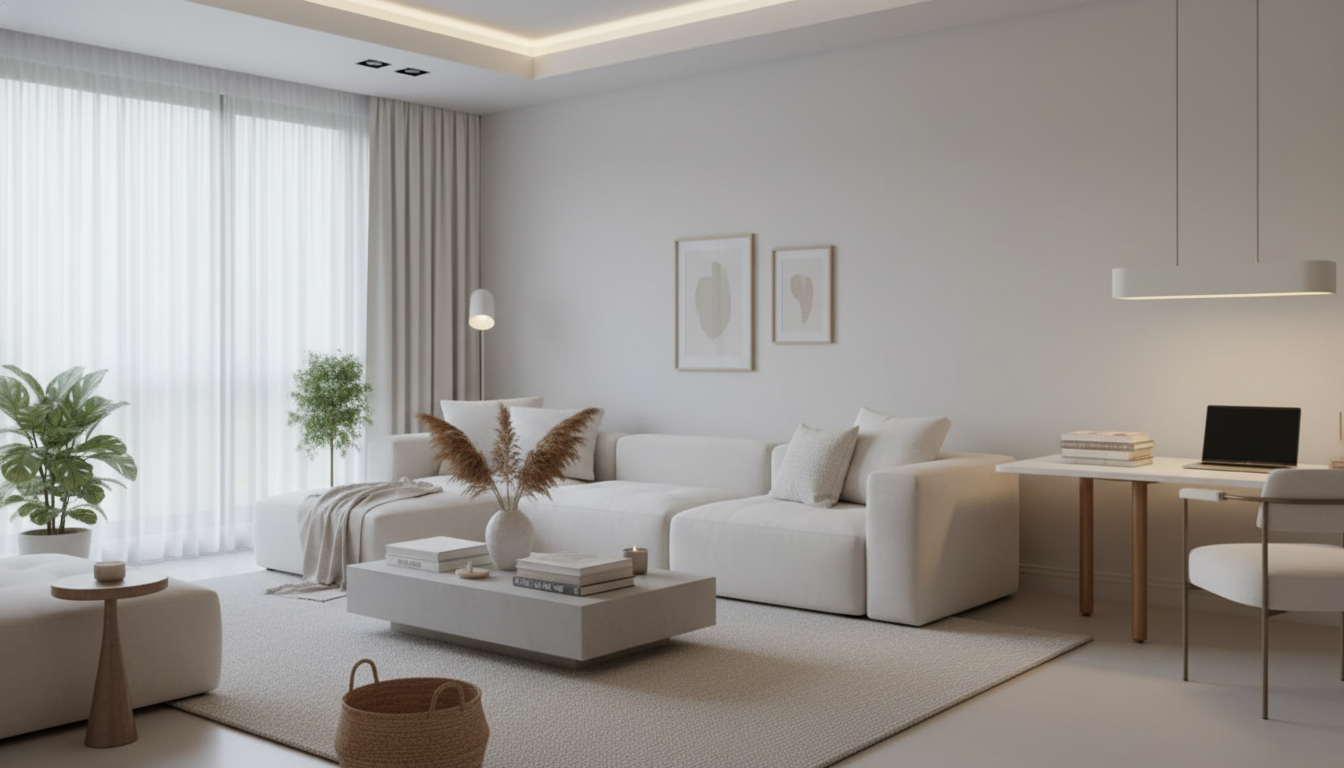
A home can feel elevated without a full remodel. A few intentional styling moves—better lighting, cleaner sightlines, upgraded textures, and a cohesive color story—create the “finished” look associated with high-end interiors while staying budget-friendly and DIY-ready. The goal isn’t to buy more; it’s to edit, repeat, and refine what’s already there so each room feels calm, intentional, and modern.
Start with the fastest “luxury signal”: visual calm
If a room feels busy, no amount of new decor will read as high-end. Visual calm is what makes spaces look curated, not crowded.
- Clear surfaces first: keep one focal object per console or table (a tray, a vase, or a lamp) and store the rest.
- Create negative space: leave breathing room around furniture and decor so the eye can “rest.”
- Hide everyday clutter with attractive containers: use lidded baskets, matching boxes on shelves, and uniform hangers in closets.
- Tighten the palette: repeat 2–3 core colors across textiles and accessories for that cohesive, designer feel.
Lighting upgrades that instantly look expensive
Lighting is one of the most reliable shortcuts to a luxe look because it changes how every finish, fabric, and color reads. If a room feels flat, start here.
- Layer lighting: combine overhead, task, and accent lighting to avoid harsh “single-source” rooms.
- Swap bulbs strategically: choose a consistent color temperature (often warm white) across a room for a polished look.
- Add a statement piece where it counts: an entry pendant or dining fixture can upgrade the entire home’s first impression.
- Use dimmers or smart bulbs: softer evening light reads as upscale and relaxing.
- Highlight textures: aim a small lamp toward curtains, art, or a plant to add depth and dimension.
For a practical overview of why LEDs are efficient and long-lasting, the U.S. Department of Energy’s LED lighting guide is a helpful reference when choosing bulbs and fixtures.
Budget-Friendly Changes That Deliver a Luxury Look
| Upgrade |
Why it feels luxurious |
Typical budget range |
Best rooms to try first |
| Warm, consistent LED bulbs |
Creates cohesive ambiance and flattering light |
$10–$30 |
Living room, bedroom, hallway |
| Layered lighting (2–3 light sources) |
Adds depth and a boutique-hotel mood |
$20–$150 |
Living room, bedroom |
| Curtains hung high and wide |
Makes windows look larger and ceilings feel taller |
$25–$200 |
Living room, primary bedroom |
| Hardware refresh (knobs/pulls) |
Mimics custom cabinetry and higher-end finishes |
$15–$120 |
Kitchen, bath, dresser |
| Large art or oversized mirror |
Creates a focal point and “gallery” effect |
$30–$250 |
Entry, living room, dining room |
| Textile upgrade (throws/pillows) |
Adds layered texture and comfort |
$20–$120 |
Sofa, bed, reading nook |
Texture and textiles: the secret to “designer” warmth
Modern rooms look expensive when they’re not just sleek—they’re tactile. Texture is what keeps clean lines from feeling cold.
- Mix materials: pair smooth (glass/metal) with soft (linen/velvet) and organic (wood/rattan) for balance.
- Go bigger with rugs: size up so the front legs of key furniture sit on it; tiny rugs are a common “budget” giveaway.
- Use inserts that hold shape: fuller pillow inserts and properly sized shams make seating and beds look plush.
- Add one “quiet luxury” fabric: linen curtains, a wool-blend throw, or a velvet lumbar pillow can do more than many small trinkets.
- Repeat textures across the room: echo black metal in lighting and frames, or repeat warm wood tones across pieces.
High-end color and finish choices (without repainting everything)
A luxe home reads as intentional—especially in the “small details” that get touched every day. You don’t need to repaint the entire house to get there.
- Choose a consistent finish story: stick to one main metal finish plus one accent (example: matte black + brushed brass).
- Refresh touch points: update switch plates, paint an interior door, or refresh a vanity for a noticeable modern lift.
- Try peel-and-stick in small doses: add it inside a bookshelf, on a powder room wall, or in a backsplash zone for impact with low commitment.
- Use a soft-contrast palette: warm neutrals with a deeper accent (charcoal, navy, forest) tends to look more elevated than loud contrasts.
- Keep trim and ceilings clean: crisp edges and uniform sheen make the whole room feel newer.
Style like a showroom: scale, symmetry, and “one hero per zone”
Showrooms don’t feel expensive because they’re full—they feel expensive because every zone has a clear point of view.
For more inspiration on how designers build cohesive rooms, browse established ideas and common styling “rules” through Architectural Digest’s interior design coverage.
Scent, sound, and softness: the “boutique hotel” layer
A simple plan to pull it together (room-by-room)
Helpful digital downloads to keep upgrades simple
FAQ
What’s the quickest way to make a room feel more luxurious?
Start with visual calm: declutter surfaces and switch to fewer, larger decor pieces. Then upgrade lighting by layering two to three sources and using consistent warm bulbs—often for less than the cost of replacing a single piece of furniture.
Which upgrades look expensive but are affordable?
Hardware swaps, curtains hung high and wide, oversized art or a large mirror, cohesive metal finishes, and plush textiles tend to read high-end for a manageable spend. Trays that corral countertop items also make everyday spaces feel instantly more “designed.”
How can a modern home still feel warm and elegant?
Use warm neutrals, add mixed textures (linen, wood, wool), and prioritize softer layered lighting. Keep contrasts gentle and balance clean-lined furniture with tactile elements like rugs, curtains, and throws.
Recommended for you






Leave a comment