Thanksgiving sides set the tone for the whole meal, but they can also create the most stress—limited oven space, last-minute timing, and picky eaters. A steadier plan is to lean on reliable crowd-pleasers, add a couple of fresh updates for contrast, and follow a simple workflow so dishes land on the table hot, cohesive, and on schedule, even with a busy kitchen.
A great side spread isn’t about making the most dishes—it’s about building the right mix. Start with a few “anchors,” then layer in lighter, brighter options so everything feels balanced next to turkey and gravy.
Warm dairy is the quiet upgrade that keeps mash plush. Heat butter and cream (or milk) before adding, and salt in layers—water, potatoes after draining, then final seasoning. To hold them, use a covered pot over the lowest heat or a slow cooker on low/warm with a little extra butter on top to prevent drying.
Bake until the top is deeply golden, then let it rest 10 minutes before serving so slices hold together. Add stock gradually while mixing—enough to moisten without turning the center gummy. If using a very soft bread, err on the drier side before baking.
Sauté mushrooms instead of relying only on canned soup flavor, and finish with a small splash of acid (lemon juice or a mild vinegar). That one step cuts the heaviness and keeps the casserole tasting lively alongside gravy-forward plates.
Balance tartness with orange zest, a pinch of cinnamon, or even a tiny crack of black pepper. It tastes best at room temperature, where the fruit notes come forward. Bonus: it’s one of the easiest sides to make ahead.
Keep the sauce silky by lowering the heat before adding cheese. Stir in handfuls until melted, then stop cooking—overheating is what makes it grainy. If you want a crisp top, broil briefly right before serving rather than baking the whole time.
These upgrades bring color and contrast without introducing fussy techniques or extra dishes in the sink.
| Dish type | Best make-ahead window | Reheat/finish method | Notes for best results |
|---|---|---|---|
| Cranberry sauce | 2–3 days | Serve room temp or gently warm | Flavor improves after resting overnight |
| Stuffing/dressing | Assemble 1 day; bake day-of | Bake covered then uncover to crisp | Add stock gradually to avoid sogginess |
| Mashed potatoes | Peel/cut 1 day; mash day-of | Hold warm in slow cooker | Warm dairy first for smoother texture |
| Green bean casserole | Assemble 1 day; bake day-of | Bake until bubbling; crisp topping | Add topping near the end if it browns too fast |
| Roasted vegetables | Chop 1 day; roast day-of | High-heat roast; brief re-crisp if needed | Avoid overcrowding pans for browning |
For food-safety basics on holding and serving, reference the USDA Food Safety and Inspection Service and the FDA Thanksgiving food safety guide. For turkey timing that helps you schedule oven windows, Butterball’s timeline resources can help you plan around the bird: Butterball Turkey Cooking Tips.
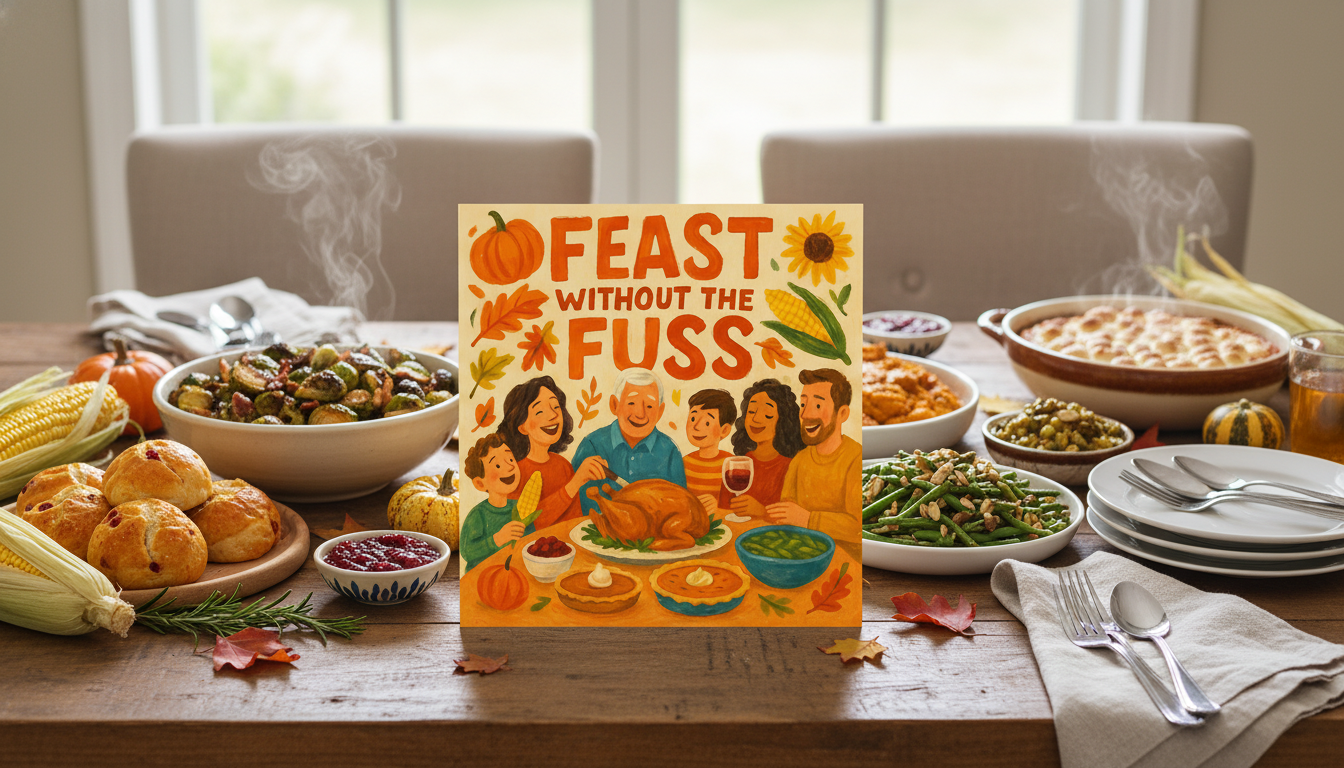
If you want a quick-reference plan that keeps decisions simple while still feeling special, Feast Without the Fuss | Easy Thanksgiving Side Dishes Digital Guide is built around dependable classics and a handful of playful upgrades—organized so you can prep early and stay calm during the busiest hour before serving.
For hosts who want an even more relaxed cooking day (and a better night’s sleep afterward), the Guided Imagery Toolkit for Sleep and Relaxation – 4-in-1 Bundle for Restful Nights is a helpful wind-down companion when the kitchen finally goes quiet.
Cranberry sauce and salad dressing are the simplest wins (2–3 days ahead is fine), and you can chop aromatics early to speed up day-of cooking. Casseroles and stuffing can usually be assembled the day before, then baked on Thanksgiving for the best texture and a crisp top.
For 6–10 people, 4–6 sides usually feels generous without becoming chaotic—think 2–3 classics plus 1–2 lighter options. If your group loves leftovers, add one extra side that reheats well (stuffing, roasted veggies, or cranberry sauce).
Use covered holds for casseroles and keep mashed potatoes in a slow cooker on warm with a little extra butter or warm cream stirred in as needed. For safety, hot foods should be held at 140°F or above and shouldn’t sit out for more than 2 hours (or 1 hour if the room is very warm).






Leave a comment