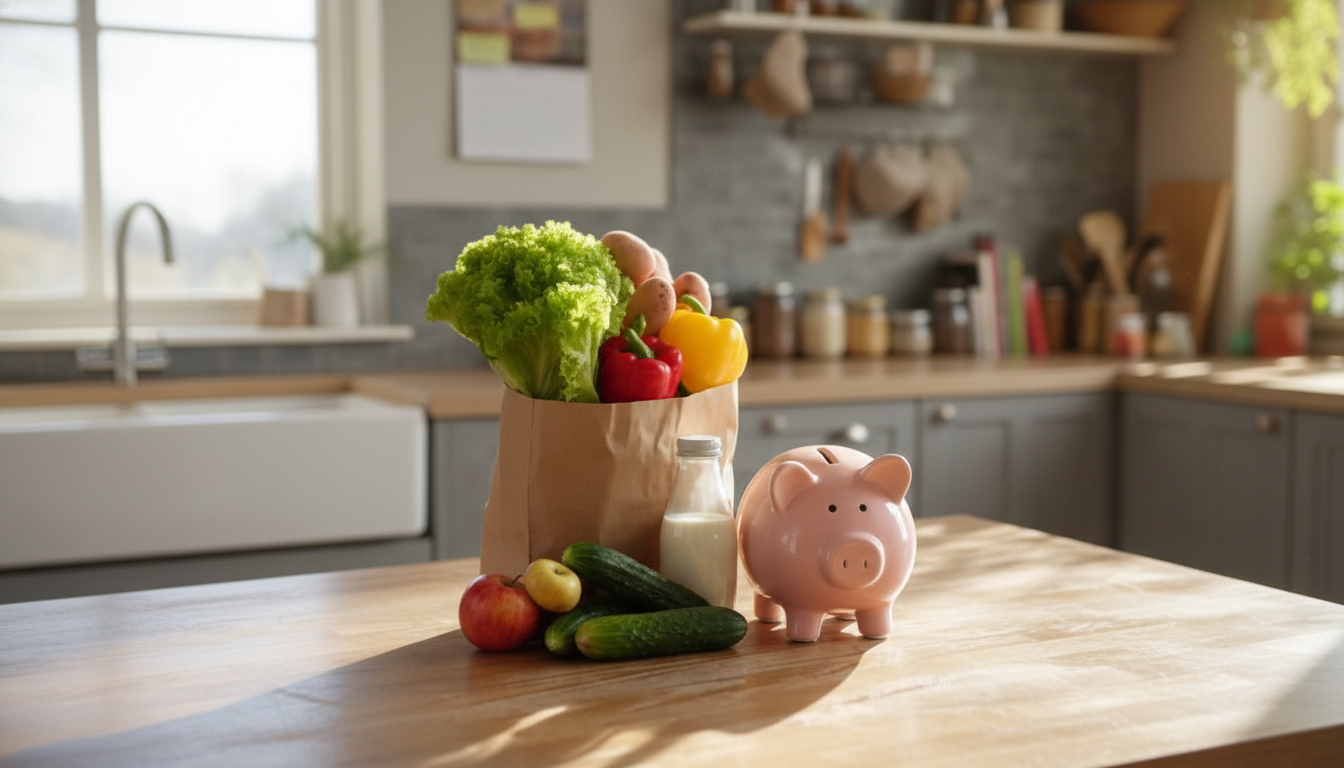
Eating well doesn’t require specialty foods or an oversized grocery bill. With a few repeatable systems—simple meal planning, smart store habits, and flexible pantry staples—healthy meals can stay affordable even when prices fluctuate. This guide-style overview focuses on practical steps that reduce waste, stretch proteins, and build balanced plates using budget-friendly ingredients.
For general food-group balance and portion guidance, resources like MyPlate (USDA) and the CDC’s healthy eating guidance can help you keep meals simple and consistent.
Budget-friendly healthy eating is less about perfection and more about reliable basics you can repeat. A helpful daily target is a balanced meal made from three building blocks: a protein, a fiber-rich carb, and a fruit or vegetable (fresh, frozen, or canned).
A budget pantry works best when it’s built for mix-and-match cooking. Choose staples with long shelf life, strong nutrition, and the ability to stretch into multiple meals.
| Staple | Why it saves money | Easy ways to use it |
|---|---|---|
| Oats | Low cost per serving and long shelf life | Overnight oats, baked oatmeal, add to smoothies |
| Lentils | Cook fast and replace part of meat | Lentil soup, taco filling, curry |
| Frozen vegetables | No spoilage pressure and often cheaper than fresh | Stir-fries, sheet-pan meals, soups |
| Eggs | Affordable protein and versatile | Veggie scramble, fried rice, egg sandwiches |
| Rice or potatoes | Inexpensive base that pairs with many flavors | Bowls, casseroles, leftover reinventions |
Meal planning doesn’t need to be rigid. The goal is to decide “what’s for dinner” before you shop so groceries turn into meals (not random ingredients). A light plan also makes leftovers intentional—one of the easiest ways to lower cost per serving.
Most grocery budgets are won (or lost) in small decisions: how you choose produce, how you compare prices, and whether perishable items actually get used. Build habits that make the “healthy choice” the default choice.
For more practical shopping and prep tips, the Academy of Nutrition and Dietetics has budget-friendly guidance that fits many cooking styles.
| Day | Breakfast | Lunch | Dinner |
|---|---|---|---|
| Day 1 | Overnight oats + banana | Leftover rice bowl with beans + salsa | Sheet-pan chicken thighs + frozen vegetables + potatoes |
| Day 2 | Egg scramble with frozen spinach | Chicken/veg wrap or bowl (use leftovers) | Lentil tomato soup + toast |
| Day 3 | Oatmeal + peanut butter | Lentil soup leftovers + fruit | Veggie fried rice (eggs + frozen veg + leftover rice) |
Go for versatile staples with long shelf life: oats, rice or potatoes, beans/lentils, eggs, frozen vegetables, canned tomatoes, peanut butter, and seasonal fruit like bananas or apples. These ingredients mix into many meals, so you buy fewer one-off items that don’t get used.
A simple plan cuts impulse purchases and makes perishables more likely to get used. Planning 3–5 dinners, repeating easy breakfasts, and building lunches from leftovers can lower your cost per serving without adding much extra cooking.
Frozen produce is often picked at peak ripeness and can be comparable to fresh in nutrients. It also reduces waste and is convenient; just check labels and choose options without added sauces, sugar, or excessive salt.





Leave a comment