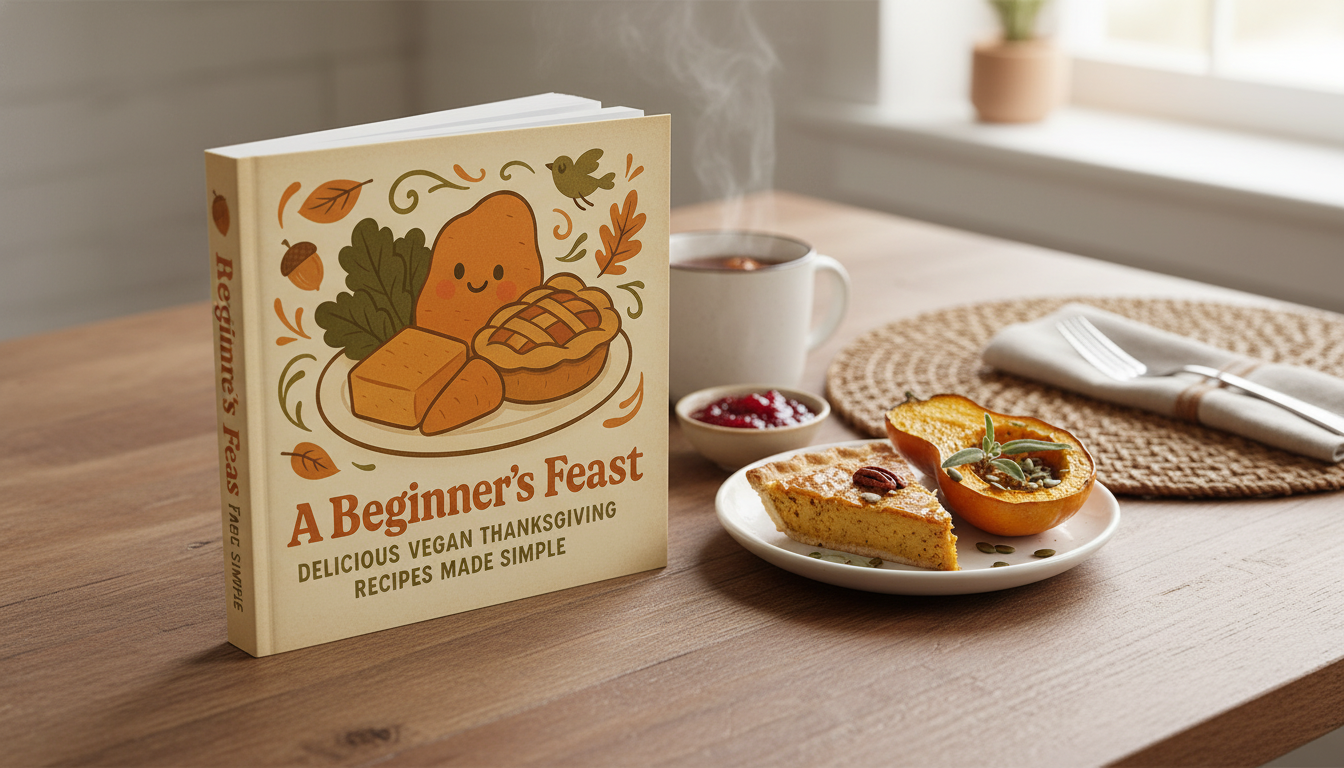
A plant-based Thanksgiving can be cozy, familiar, and surprisingly low-stress—even for first-time vegan hosts. The key is building a balanced menu (a savory centerpiece, a few dependable sides, one great dessert) and leaning on make-ahead steps so the day stays calm. Below is a simple, crowd-pleasing approach to vegan Thanksgiving that keeps the traditional flavors people expect, without requiring complicated techniques.
The easiest way to keep a vegan Thanksgiving feeling “classic” is to follow the same structure as a traditional meal—just with smart plant-based choices.
| Course | Easy options | Make-ahead tip |
|---|---|---|
| Centerpiece | Lentil loaf; stuffed acorn squash; mushroom wellington | Assemble a day ahead; bake/reheat day-of |
| Starch | Mashed potatoes; sweet potato casserole; mac and “cheese” | Boil potatoes early; mash and reheat with a splash of plant milk |
| Stuffing | Classic herb stuffing; wild rice stuffing | Toast bread cubes 1–2 days ahead; bake day-of |
| Vegetables | Roasted Brussels sprouts; green beans with almondine; glazed carrots | Prep and chop the day before; roast right before serving |
| Sauce | Mushroom gravy; onion gravy; cranberry sauce | Cranberry sauce keeps 5–7 days refrigerated |
| Dessert | Pumpkin pie; apple crisp; chocolate tart | Bake the day before for easier slicing and serving |
Classic Thanksgiving flavor comes from technique and seasoning as much as it comes from animal products. These swaps keep dishes tasting familiar while staying fully plant-based.
If anyone worries about protein, plant-based mains built around lentils, beans, soy, or wheat-based roasts can fit nicely into a balanced plate. For a simple overview of protein sources and how they add up, see Harvard’s Nutrition Source on protein.
Thanksgiving stress usually comes from oven traffic and last-minute prep. A timeline turns the day into a few easy “checkpoints,” so the meal comes out hot without chaos.
For leftover safety after the meal, the USDA’s guidance on Leftovers and Food Safety is a solid reference for cooling, storage, and reheating.
When cooking for mixed diets, aim for dishes that would be delicious even if nobody knew they were vegan.
For a deeper look at how well-planned vegetarian and vegan patterns can meet nutrient needs, the Academy of Nutrition and Dietetics provides helpful context in its resource on vegetarian diets.
Lentil loaf, stuffed acorn squash, and mushroom wellington are among the most approachable options because they use familiar ingredients and can be assembled ahead. Build them the day before, then bake or reheat on Thanksgiving so you’re not starting the main dish from scratch.
Start with sautéed onions and mushrooms, then add garlic, herbs, and a spoonful of tomato paste for depth. Finish with a roux (vegan butter or oil + flour) and boost savoriness with miso or soy sauce/tamari for that rich, “holiday” flavor.
Cranberry sauce, dessert, toasted bread cubes for stuffing, chopped aromatics, and an assembled centerpiece can all be prepared in advance. Store items covered and refrigerated, then reheat gently day-of so the final hour is mostly roasting, warming, and serving.





Leave a comment