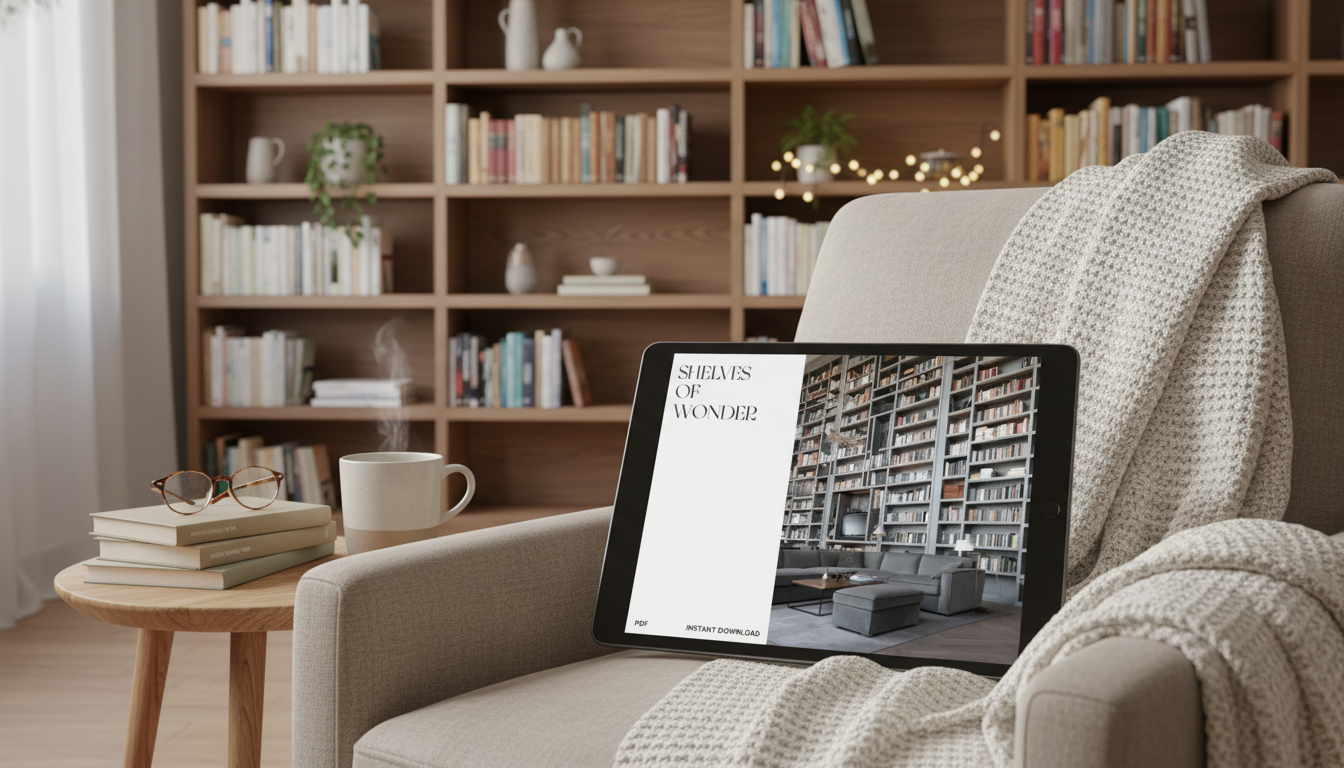
A home library can feel magical when every book has a clear place, favorites are easy to reach, and the room invites long reading sessions. The most “aesthetic” shelves still fall apart if they’re hard to maintain—so the goal is a practical organizing method first, followed by small styling choices that make the space feel calm. This guide walks through a simple reset, several organizing systems, maintenance-friendly shelf habits, a cozy reading-corner setup, and a lightweight AI-assisted catalog you can actually keep up with. For more guidance, see How to organize your personal library.
Before you pick categories, get honest about what you own and how you read. A short reset prevents the classic mistake of building a beautiful layout that can’t handle your real volume. For further reading, see Complete Home Library Guide: Organization, Setup & Management ….
If you own older or delicate books, handling and storage basics matter more than people realize. The Northeast Document Conservation Center’s guidance is a helpful reference for long-term care: NEDCC — Care of Books.
The “best” system is the one that helps you locate a title quickly on a tired weeknight, not the one that looks perfect on day one. Pick the primary way people search in your home—genre, author, topic, or mood—and build from there.
| System | Best for | Watch-outs | Simple upgrade |
|---|---|---|---|
| Genre | Browsers and fiction-heavy libraries | Edge cases (cross-genre titles) | Add an “I don’t know where this goes” holding shelf |
| Author A–Z | Large collections, shared libraries | Harder for casual browsing | Use shelf labels by letter ranges |
| Dewey/Library-like | Nonfiction/reference users | Setup takes time | Apply only to nonfiction zones |
| Mood/Theme | Cozy, personal libraries | Subjective categories shift | Keep themes broad (5–8 max) |
Maintenance is what turns organizing from a one-time project into a calm daily rhythm. Small “landing spots” prevent drift—those piles that appear on chairs, nightstands, and kitchen counters.
For preservation-minded details—light exposure, shelving posture, and safe handling—the Library of Congress has clear, practical guidance: Library of Congress — Care, Handling, and Storage of Books.
If your corner feels “off,” it’s often lighting. For general lighting concepts and terminology, the Illuminating Engineering Society is a respected reference point: Illuminating Engineering Society (IES).
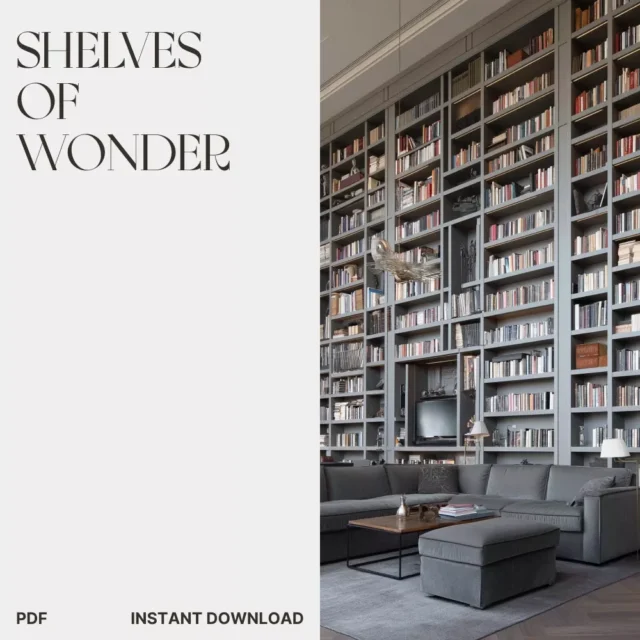
If a clear step-by-step structure is preferred over piecing together scattered tips, the Shelves of Wonder digital guide is designed for book lovers building a home library that looks inviting and functions smoothly day to day. It brings together shelf organization, cozy-corner setup, and AI-friendly cataloging ideas in one place—useful for apartments, shared spaces, and growing collections where maintenance matters as much as aesthetics.
For readers who want extra support building consistent habits around reading time, the Positive Attitude Starter Pack can pair well with a newly organized library by helping turn “nice intentions” into routines that actually stick.
A genre-first system is usually the quickest: start with broad categories, leave a little shelf breathing room, and add a returns basket plus a capped TBR shelf so the system stays stable as you read and buy new books.
Scan ISBNs or use OCR with a phone, then log title, author, and shelf location in a simple spreadsheet. Add a few tags for filtering, and use AI only for consistent tagging or reading-list ideas—then spot-check results.
Focus on three anchors: good lighting, supportive seating, and a small side surface. Contain small items in a tray or lidded box, and keep one dedicated spot for “currently reading” books.






Leave a comment