“Winter travel” isn’t one thing. For some trips, winter means deep snow and quiet trails; for others it’s holiday lights in a walkable city—or a warm coastline when home feels dark at 4 p.m. Start by choosing the winter you actually want, then match destinations, timing, and packing to that experience.
Once you pick a trip style, the “best places to travel in winter” become easier to spot. Look for a destination that makes your main activity simple (easy transfers, reliable conditions, and backup plans when weather changes).
| Trip type | Great fit for | What to plan for | Typical sweet spot |
|---|---|---|---|
| Mountain snow getaway | Ski/snowboard trips, cozy lodge stays | Lift tickets, rentals, snow tires/shuttles | Jan–Feb for snow depth |
| Festive European-style city break | Markets, museums, food and nightlife | Short daylight, pre-book popular venues | Late Nov–Dec for events |
| Northern lights trip | Aurora viewing + winter activities | Weather buffers, late nights, thermal layers | Dec–Mar for dark skies |
| Warm island escape | Beach, snorkeling, easy downtime | Peak prices, sun protection, trade winds | Jan–Mar for dry season (varies) |
| Desert/national park winter tour | Hiking, photography, stargazing | Big temperature swings, limited services | Dec–Feb for mild days |
Winter gets smoother when dates and logistics respect the season. A few planning rules cover most common disruptions.
Before departure, check winter safety guidance and local alerts. The NOAA National Weather Service winter safety pages are a practical reference for storms, cold exposure, and travel cautions.
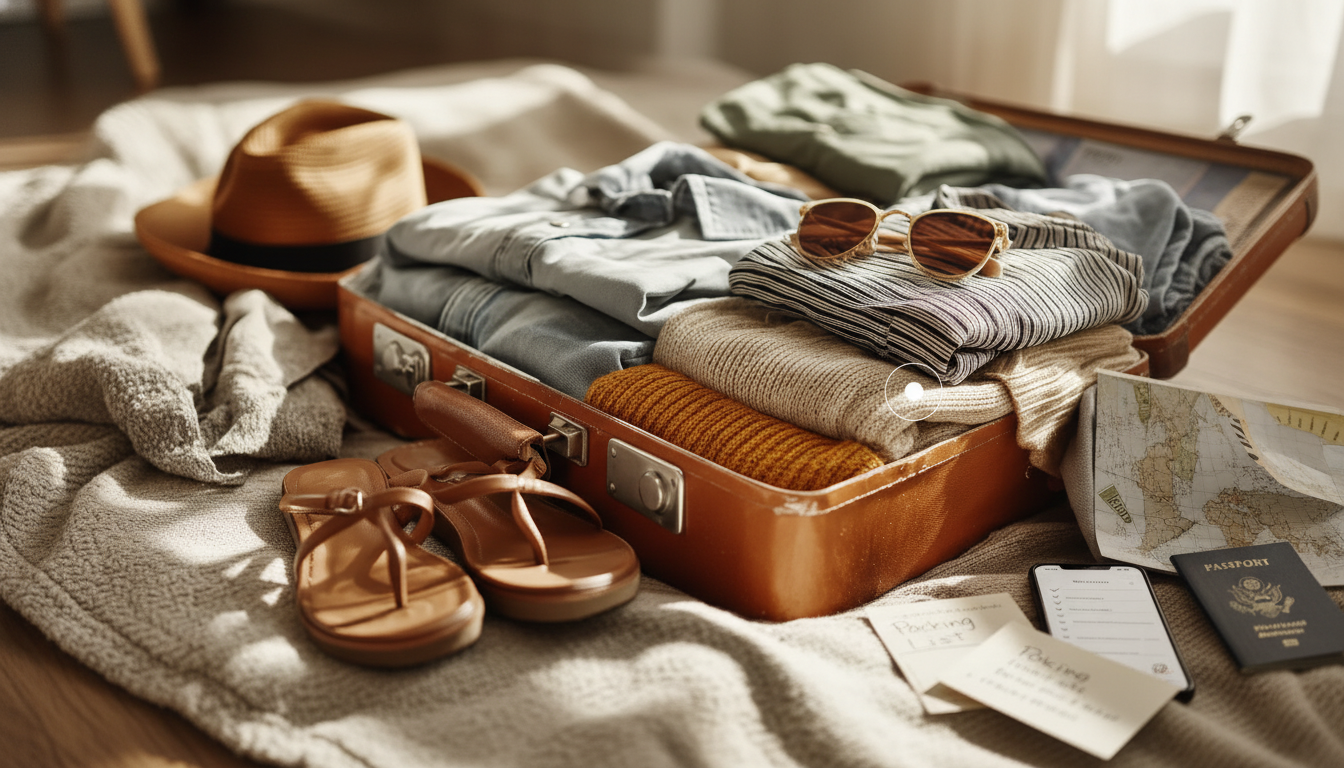
Winter comfort is mostly about temperature control and traction. Pack for what you’ll do outside, but don’t ignore indoor-to-outdoor transitions (restaurants, transit, and hotel lobbies can be very warm).
For international trips, review the U.S. Department of State travel information and check health recommendations via CDC Travelers’ Health as part of your pre-flight checklist.
If you want a ready-made reference built specifically around winter choices, consider A Unique Pack with the Best Winter Travel Choices – Best Places to Travel in Winter Guide.
Look for nearby cities or regions with frequent flights, reliable airport connections, and a walkable center with strong public transit. Prioritize indoor attractions (museums, dining, shows) so you can enjoy the trip even if the weather turns.
Holiday weeks and popular ski towns usually need the most lead time, often months ahead for the best lodging and flight options. Shoulder-season city breaks may be easier to book closer in, but refundable rates and a storm buffer are smart for any winter itinerary.
Use a simple layering system (base, mid, shell) so you can add or remove warmth quickly, and bring footwear that handles slush plus optional traction for ice. A power bank, hand warmers, and moisturizer help with cold-related battery drain and dry air; check local conditions a day or two before departure to fine-tune.





Leave a comment