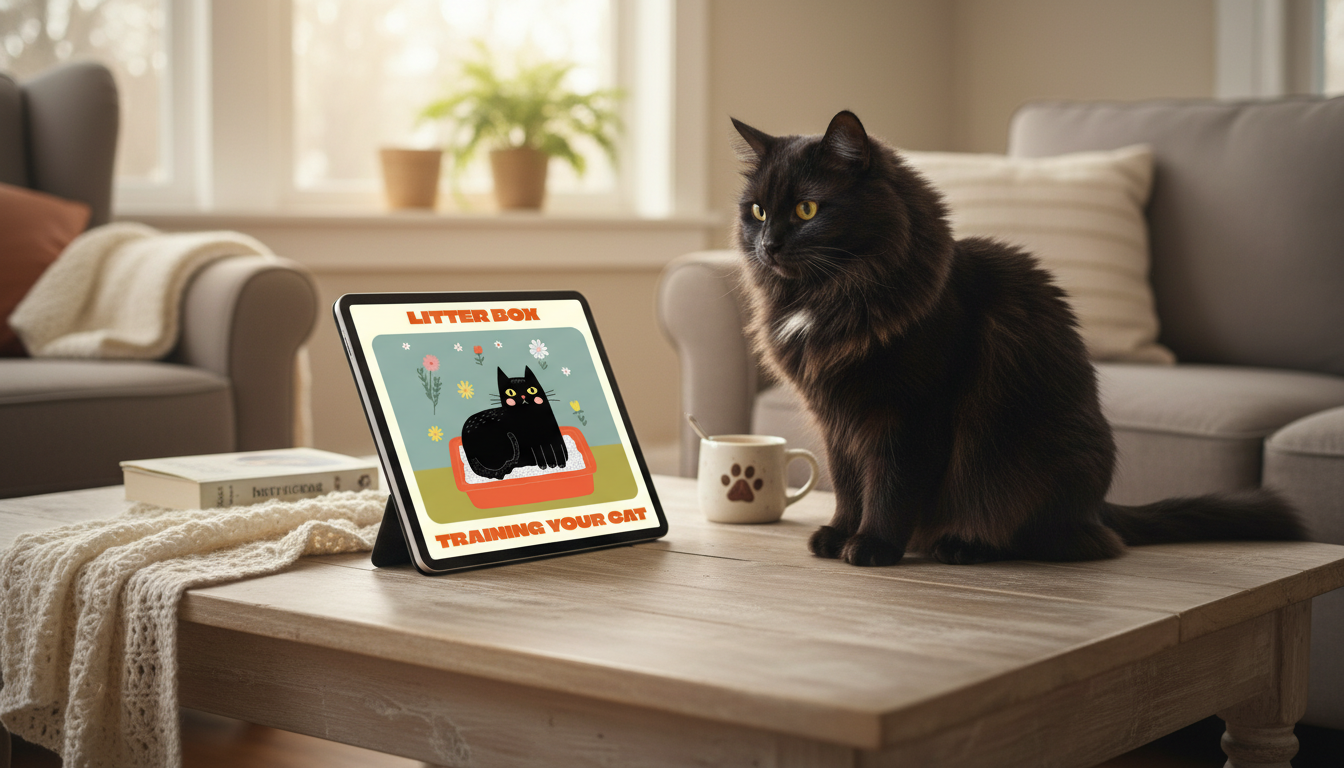
Litter box training is usually straightforward when the setup matches a cat’s instincts: a clean, quiet place to dig and cover, consistent routines, and zero punishment. The goal is simple—make the litter box the easiest, safest option in the home. Below is a practical plan for what to buy, where to place the box (even in small spaces), how to introduce kittens, adult cats, and rescues, and what to do when accidents happen so good habits stick.
Most “training” problems are really setup problems. Start by creating a litter box experience that feels private, predictable, and comfortable.
| What to set up | Why it matters | Simple tip |
|---|---|---|
| Litter box (right size) | Comfort reduces avoidance | Bigger is usually better; low entry for kittens/seniors |
| Unscented litter | Scent sensitivity is common | Start with one litter type; change gradually if needed |
| Scoop + waste container | Cleanliness drives consistent use | Scoop at least once daily |
| Enzyme cleaner | Removes odor cues that invite repeat accidents | Use only on accident spots; avoid ammonia cleaners |
| Litter mat | Reduces tracking and mess | Place mat outside the box exit path |
This approach keeps stress low while building a reliable habit—especially helpful for new cats, shy cats, and rescues.
Kittens learn quickly, but they need convenience. Use a low-entry box, keep litter depth shallow at first, and prompt after waking, playtime, and meals. If your kitten is very small, consider multiple boxes so there’s always one nearby.
Adult cats can be perfectly litter-trained and still have accidents during stressful transitions. Start with one quiet room, keep the box uncovered initially, and add a second box quickly if there’s hesitation.
These cats may prefer soil-like textures at first. Offer a large box and consider a litter texture that’s closer to dirt, then transition slowly to your preferred household litter once the routine is consistent.
Arthritis or weakness can make high sides a deal-breaker. Use a wide, low-entry box and keep it close to where your cat spends the most time—especially overnight.
Sudden litter box problems in a previously trained cat can signal urinary tract issues, pain, constipation, or other illness. Seek urgent care for straining, frequent trips with little output, crying in the box, blood in urine, or lethargy—especially in male cats. For deeper reading, see the Cornell Feline Health Center overview of house-soiling and the ASPCA litter box problems guide.
If you want a structured schedule everyone in the home can follow, use Litter Box Training Your Cat — Complete Step-by-Step Guide (Digital Download). For cats whose accidents seem tied to anxiety or household transitions, consider the Pet Stress Relief Toolkit for Happier, Relaxed Pets.
Most kittens learn within a few days when the box is easy to access and you prompt after meals and naps. Adult cats and rescues often take 1–2 weeks depending on stress level, prior habits, and whether the setup stays consistent.
No. Punishment can increase fear and make a cat hide elimination, which often worsens the problem. Focus on enzyme cleaning, improving the box setup, and rewarding correct use.
A large, uncovered box with unscented clumping litter works for many cats. Choose a low-entry box for kittens or seniors and adjust slowly if your cat shows a clear texture preference.







Leave a comment