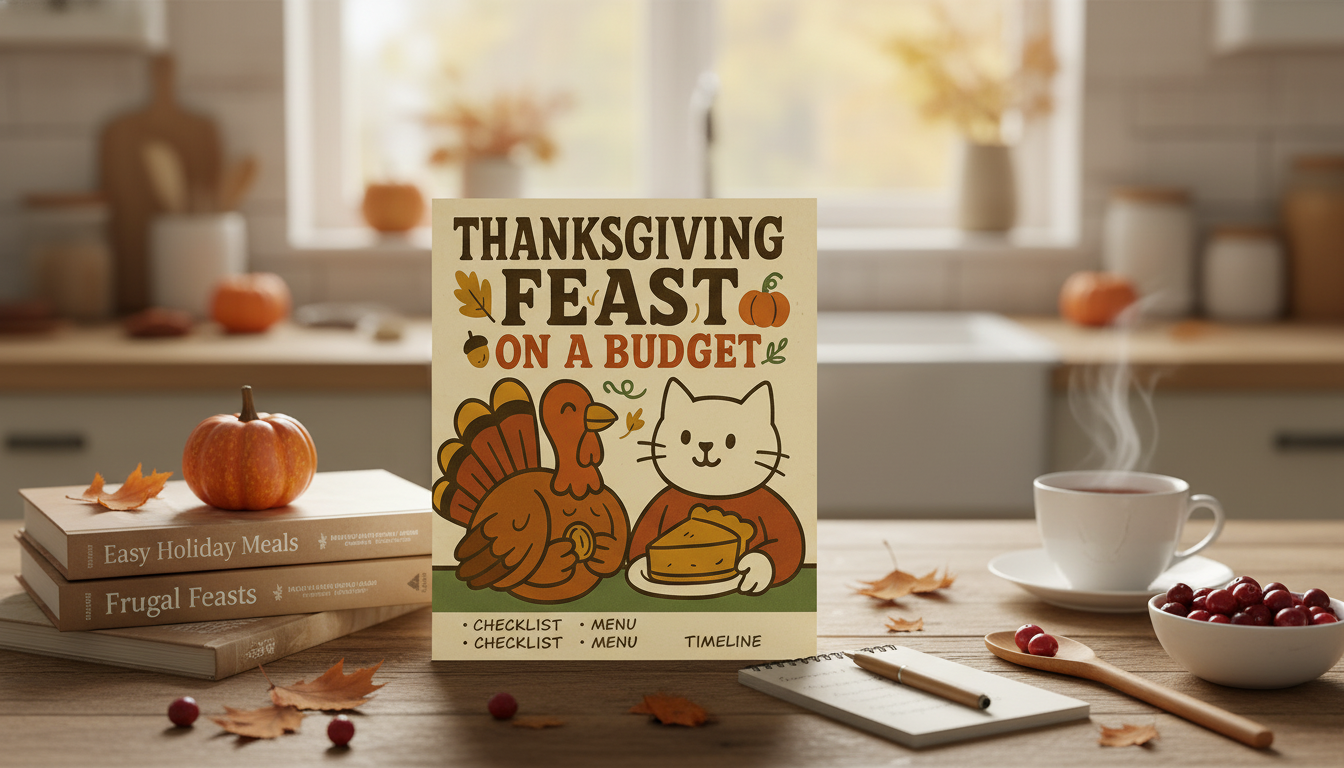
A memorable Thanksgiving doesn’t require an oversized grocery bill. A clear plan—guest count, menu, shopping strategy, and prep timeline—helps keep spending under control while still serving classic favorites. This guide breaks the process into simple steps and uses a printable-style checklist approach so nothing gets missed from the first grocery run to the last dish on the table.
Before choosing recipes, decide what you can comfortably spend. A budget gives every purchase a “job” and helps you avoid last-minute add-ons that don’t actually improve the meal.
| Total budget | Food | Drinks | Extras | Notes |
|---|---|---|---|---|
| $75 | $55 | $10 | $10 | Focus on core classics; skip specialty ingredients and limit appetizers |
| $125 | $90 | $20 | $15 | Room for one premium item (better turkey, nicer dessert, or cheese board) |
| $200 | $145 | $35 | $20 | Add a second dessert, more variety in sides, and a couple of beverage options |
A budget-friendly Thanksgiving menu isn’t about cutting corners—it’s about avoiding overlap that doesn’t add value. The easiest way to spend less is to serve a balanced lineup with smart repeats.
One practical trick: build your menu around a “shared base.” If two or three dishes use the same aromatics and herbs, you’ll buy fewer one-off items and get better value from what’s already on your cutting board.
Smart shopping is mostly timing and organization. When you know what you’re buying and when you’re buying it, it’s easier to say no to impulse purchases.
For general strategies on stretching grocery dollars without sacrificing nutrition, the USDA’s guidance on healthy eating on a budget can help you prioritize staples and plan around what you already have.
Waste is expensive. A simple prep schedule prevents forgotten items in the back of the fridge and reduces the “we’ll just order something” panic when the kitchen gets hectic.
When planning turkey timing, follow safe thawing guidance from the USDA Food Safety and Inspection Service: Turkey Thawing. For storage basics (and why temperature matters), review the FDA’s refrigerator/freezer safety tips.
If you prefer everything in one place, a structured planner can replace multiple notes, screenshots, and scattered receipts. The Feast Smart: Thanksgiving on a Budget Checklist (digital download) is built for budgeting, menu building, shopping, and timing—designed to print or fill out digitally.
If you’re hosting kids or picky eaters, it can also help to plan one “easy yes” side (like rolls, mashed potatoes, or simple fruit). A family-focused resource like Peaceful Plates System for Picky Phases – A Digital Bundle for Parents of Picky Eaters can support calmer mealtimes when you’re juggling multiple preferences. And if holiday hosting tends to feel overwhelming, a mindset tool such as Positive Attitude Starter Pack | 3-in-1 Digital Bundle can be a helpful companion for staying steady through a busy week.
Buy shelf-stable items 2–3 weeks ahead, frozen items 1–2 weeks ahead, and fresh produce a few days before serving. Watch store ads and time bigger purchases (especially turkey promotions) to the best weekly deals.
Mashed potatoes, roasted root vegetables, sweet potatoes, simple green beans, homemade stuffing, and a seasonal salad are budget-friendly and still classic. Using shared ingredients across dishes (onion, celery, broth, herbs) keeps costs down and reduces waste.
Portion and label leftovers the same day, then freeze what you won’t eat within a few days (especially turkey and stock). Plan a few easy follow-up meals like soup, pot pie, sandwiches, and breakfast hash to use small amounts efficiently.






Leave a comment