Simple Upcycling Clothes Ideas for Beginners: Easy Projects That Refresh Your Wardrobe
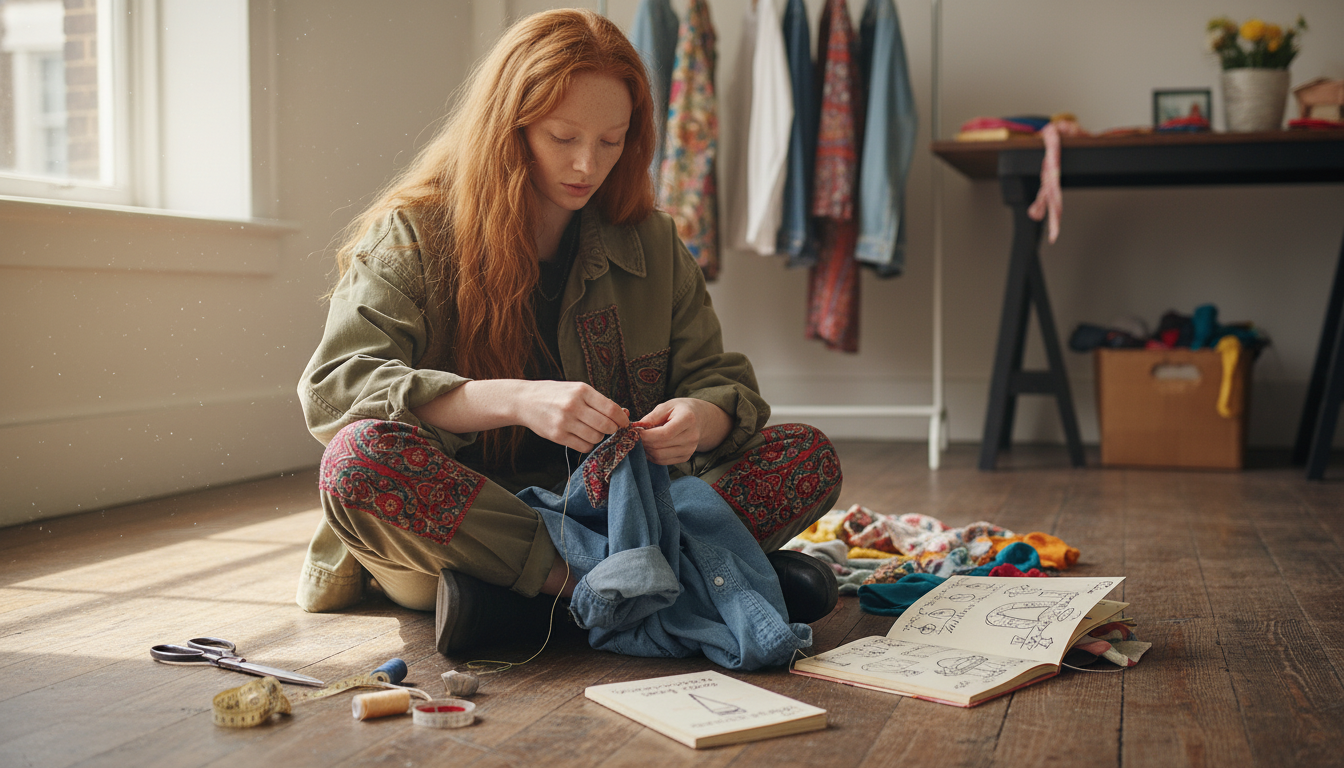
Upcycling turns overlooked clothes into pieces that feel new again—without needing advanced sewing skills or a big budget. With a few basic tools and beginner-friendly techniques, small changes like trims, simple cuts, and quick stitches can transform fit, function, and style while keeping textiles in use longer. If you’re looking for a practical, low-pressure place to start, choose one simple upgrade, work slowly, and let clean finishing (especially pressing) do the heavy lifting.
A beginner-friendly way to start: choose the right item first
- Start with a “close enough” fit. Garments that already fit in the shoulders and waist are the easiest to improve. Upcycling shines with small tweaks—shortening, shaping, or adding details—when the base fit is already workable.
- Pick sturdy, forgiving fabrics. Denim, cotton tees, flannel, and sweatshirts tolerate seam ripping and re-stitching better than delicate or slippery fabrics.
- Choose one hero change per project. Decide on a single transformation (add pockets, reshape a neckline, convert to sleeveless, shorten length). One strong change looks intentional and keeps the process manageable.
- Wash and press before measuring. Shrinkage and wrinkles can throw off your marks and make “even” cuts look uneven.
Tools and materials that make projects easier (no full sewing room required)
- Essentials: fabric scissors, seam ripper, measuring tape, pins or clips, fabric chalk/marker, and an iron.
- Nice-to-have: a rotary cutter + mat for clean, straight hems; pinking shears to reduce fraying on woven edges.
- Beginner-friendly finishing: iron-on hem tape, fusible interfacing (great for stabilizing edges), and fabric glue for non-stress seams or decorative trims.
- Thread and needles: a universal needle handles most woven fabrics; use a ballpoint needle for knits like t-shirts to avoid skipped stitches and snags.
- Safety and comfort: cut on a stable surface and keep a small magnet or tray nearby so pins and needles don’t disappear.
Quick wins: 12 simple upcycling clothes ideas that beginners actually finish
- T-shirt crop or boxy cut: shorten evenly and finish with a simple hem, or leave a clean raw edge on stable knits.
- Graphic tee refresh: cut and reattach the front graphic panel onto a sweatshirt or plain tee for a “new” top.
- Button-down into a sleeveless summer shirt: remove sleeves and tidy armholes with bias tape.
- Sweatshirt into a trendy vest: enlarge armholes, bind edges, and add snaps—or leave it open for layering.
- Jeans into shorts: mark length while wearing, cut longer than you think, then adjust and finish.
- Denim patch repair: cover worn thighs or knees with decorative or tone-on-tone patches.
- Add pockets: harvest pockets from old jeans and topstitch onto jackets, totes, or skirts.
- Scarf or bandana insert: add a triangle panel at a neckline or side seam for shape and color.
- Contrast cuffs: use leftover fabric to create bold cuffs on sleeves or pant legs.
- Leggings into bike shorts: shorten and secure with a zigzag stitch so the hem stretches.
- Dress to skirt: cut at the waistline and add an elastic casing for an easy pull-on fit.
- Appliqué and trims: lace, ribbon, or crochet edging can elevate basics with minimal sewing.
Beginner project planner (time, tools, and difficulty)
| Project |
Time |
Difficulty |
Tools |
Best fabrics |
| T-shirt crop/boxy cut |
20–40 min |
Easy |
Scissors, tape measure, pins, iron (optional) |
Cotton jersey, blends |
| Button-down to sleeveless top |
45–90 min |
Easy–Medium |
Seam ripper, scissors, bias tape, needle/thread or machine |
Cotton poplin, chambray |
| Jeans to shorts |
30–60 min |
Easy |
Scissors/rotary cutter, ruler, chalk, needle/thread |
Denim |
| Add a pocket (harvested) |
30–60 min |
Easy |
Pins/clips, topstitch needle, sturdy thread |
Denim, canvas, jackets |
| Dress to skirt (elastic waist) |
60–120 min |
Medium |
Seam ripper, elastic, safety pin, machine or hand stitch |
Wovens with some structure |
Three beginner projects with clear steps (measure twice, cut once)
Project 1: Dress-to-skirt conversion
Project 2: Button-down sleeveless
Project 3: Pocket upgrade
Common beginner mistakes and easy fixes
Make it last: care tips for upcycled garments
Textile waste is a real issue, and extending the life of clothes is one practical way to help. For data and context, see the U.S. EPA textiles overview, the Ellen MacArthur Foundation’s circular fashion resources, and Fashion Revolution’s clothing care and longevity materials.
A structured way to learn: what a 4-in-1 bundle can help organize
If you want step-by-step guidance you can reference while you work, explore
Simple Upcycling Clothes Ideas for Beginners – 4-in-1 Bundle of Guides, eBooks & Checklists.
Long cutting sessions and seam-ripping marathons can be surprisingly hard on your shoulders and hands; a short stretch break can help. For a simple at-home reset between steps, consider
Yoga Techniques for Full Relaxation and Recovery: 4-in-1 Digital Download Bundle.
FAQ
What are the easiest clothes to upcycle for beginners?
T-shirts, denim, sweatshirts, flannel, and button-downs are beginner-friendly because they’re sturdy and predictable. Start with pieces that already fit fairly well, then try hemming, adding pockets, or converting a button-down to sleeveless.
Do beginners need a sewing machine to upcycle clothes?
No—many upgrades can be done with hand sewing, iron-on hem tape, or fabric glue for low-stress areas. A sewing machine simply speeds up seams and makes sturdy topstitching easier, especially on denim and pockets.
How can upcycled clothes look neat instead of homemade?
Pressing is the fastest upgrade for a clean finish, and tidy edges matter: use bias tape, zigzag stitching, or stable hems. Keep your design simple with one focal change, stitch consistently, trim bulk in seams, and reinforce stress points.
Recommended for you





Leave a comment