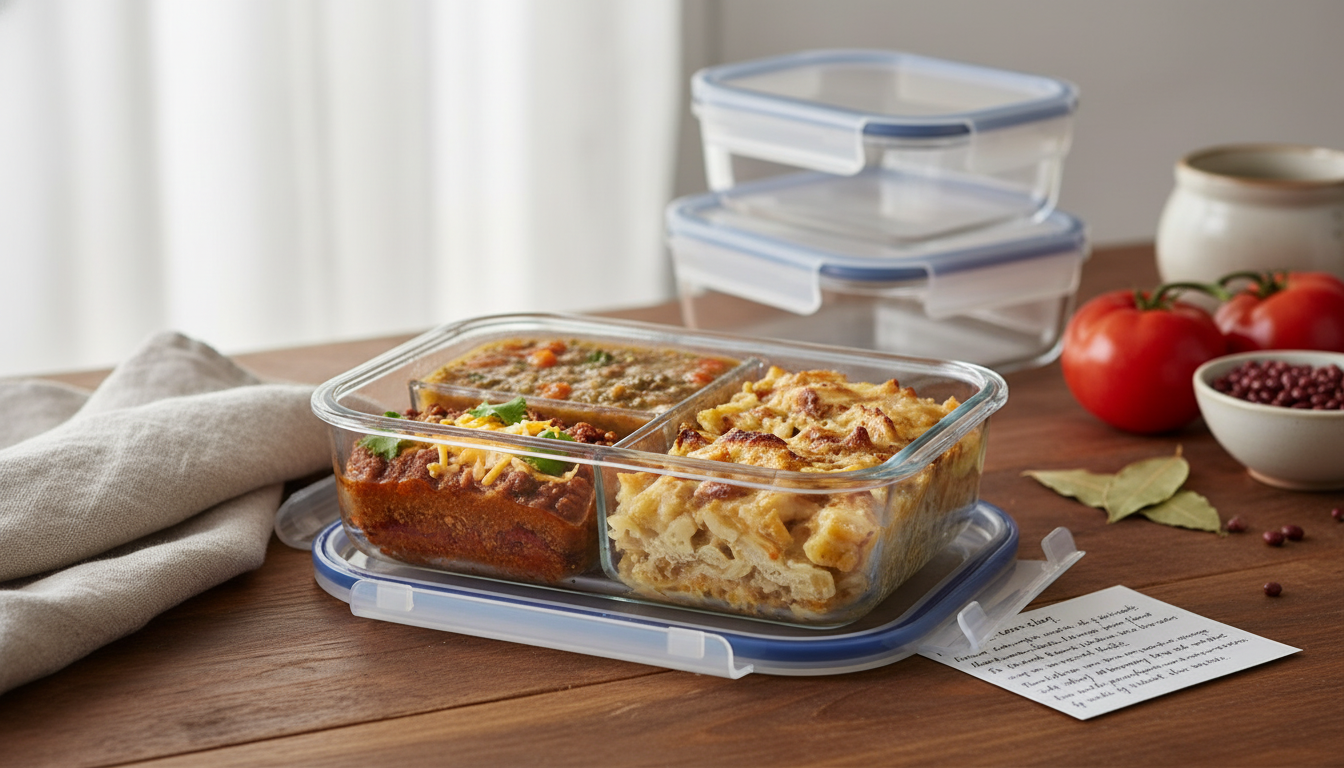
A make-ahead comfort kit can turn busy weeks into warm, hearty meals with less last-minute cooking. The right system makes comfort favorites (think chili, soups, casseroles, and braised meats) easy to batch, portion, freeze, and reheat without sacrificing flavor or texture. Below is a practical guide to building a freezer routine around reliable comfort dinners—plus what to expect from “comfort dishes” kits and bundles that help you repeat the process week after week.
Comfort cooking is satisfying, but it can also be time-intensive. A make-ahead kit (or a kit-inspired routine) is most useful when it solves the everyday friction points that derail dinner plans.
When the freezer holds a small rotation of favorites, it’s easier to add quick sides (salad kits, cornbread, rice, or tortilla chips) and still feel like you served a complete, satisfying dinner.
Not every dish loves the freezer, but classic comfort staples are often ideal because they’re moist, saucy, and meant to simmer. These categories tend to reheat with minimal “leftover” vibes:
One useful rule: if a dish is delicious after a day in the fridge, it’s often a good candidate for the freezer—especially if it’s saucy or broth-based.
A workable rhythm beats an ambitious plan. Instead of dedicating an entire weekend to meal prep, aim for two cooking sessions that naturally produce leftovers worth freezing.
| Dish type | Best container | Portion size | Reheat tip |
|---|---|---|---|
| Chili | Wide-mouth freezer container or silicone tray cubes + bag | 1–2 cups | Reheat covered; add splash of broth if thick |
| Soup/stew | Freezer container with headspace | 2 cups | Thaw in fridge; simmer to restore texture |
| Casserole | Freezer-to-oven baking dish (well wrapped) | 6×6 or 8×8 pan | Bake covered first, uncover to brown |
| Shredded meat | Freezer bag laid flat | 1–2 servings per bag | Warm in sauce/juice to prevent drying |
Good freezing is mostly about speed, air control, and gentle reheating. Small tweaks here make the difference between “just as good” and “kinda watery.”
For food-safety basics and temperature guidance, reference authoritative resources like the USDA Food Safety and Inspection Service and the FDA cold food storage chart.
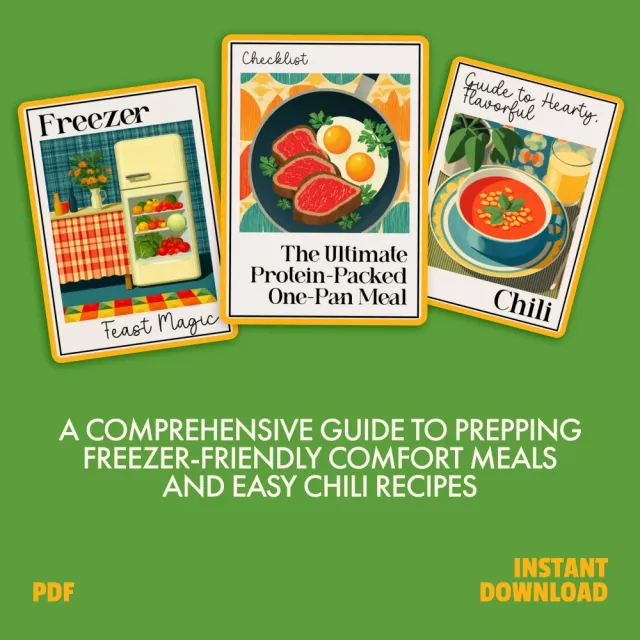
If you want a structured way to build a freezer rotation of cozy favorites, Your Make-Ahead Kit of Comfort Dishes: Freezer-Friendly Meals, Chili & More is designed around batchable comfort meals that fit a cook-once, eat-multiple-times routine. It pairs well with a basic freezer system: labeled portions, quick sides (rice, salad, cornbread), and topping add-ons for “fresh” texture at serving time.
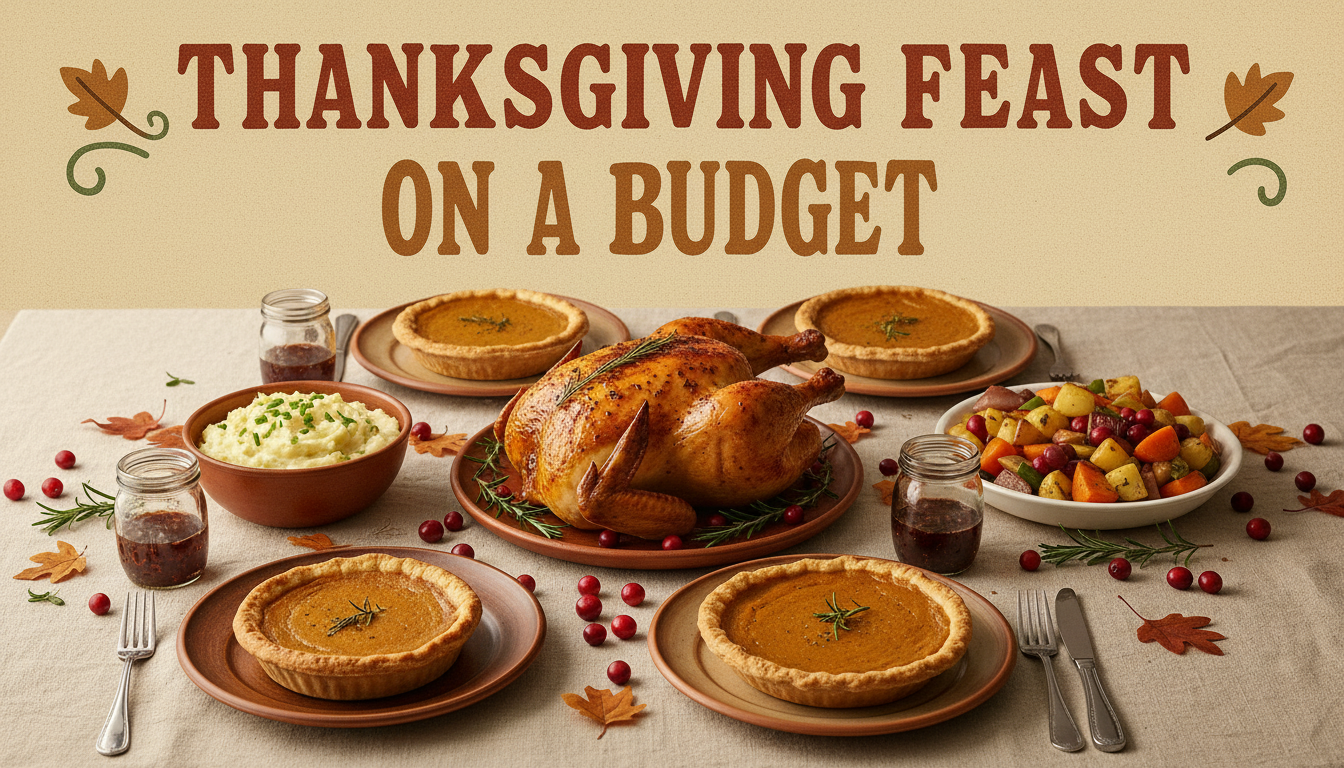
For hosting nights where comfort food is the main event—game day, chili night, or a holiday weekend—having an easy activity option can round out the gathering without extra planning. Creative Games and Challenges for Thanksgiving is a simple add-on for family and friends when the meal turns into an all-evening hang.
For best quality, many homemade comfort meals taste their best when used within about 2–3 months, though they can remain safe longer if kept consistently frozen at 0°F (−18°C). Label containers with dates and rotate older meals to the front so nothing gets forgotten.
Cream-heavy sauces can separate, watery vegetables can turn mushy, and delicate fried foods lose their crispness. A common workaround is to freeze the base (like a tomato-based sauce) and add dairy after reheating, or re-crisp items in the oven instead of microwaving.
Refrigerator thawing is the safest default because it keeps food at a controlled temperature. For faster thawing, use cold water with well-sealed packaging and cook or reheat promptly afterward; avoid leaving meals at room temperature for extended periods.





Leave a comment