Simple Routines That Keep Floors Looking Fresh (Without the Weekend Scrub-a-Thon)
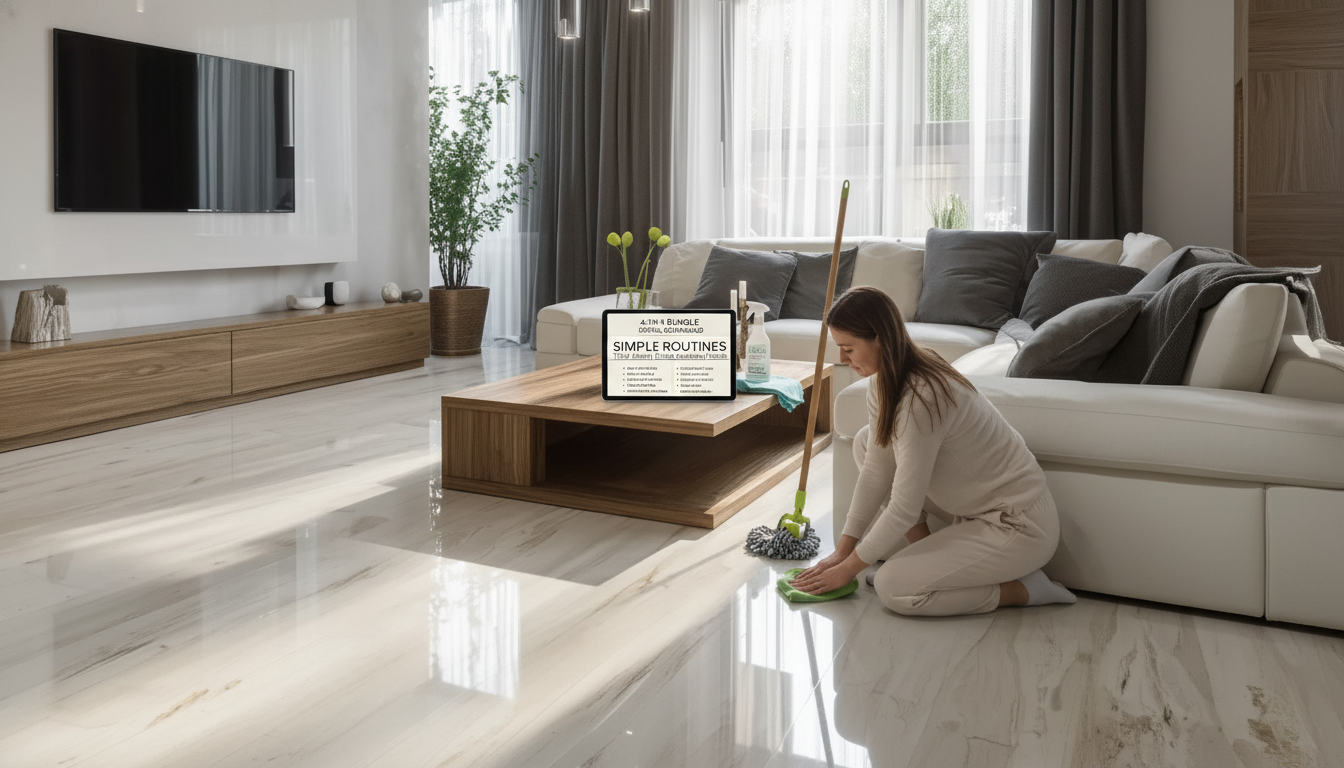
Floors take the brunt of everyday life—shoes at the door, crumbs after meals, pet hair in the corners, and mystery smudges that show up at the worst time. The Simple Routines That Keep Floors Looking Fresh: 4-in-1 Digital Download Bundle organizes floor care into quick, repeatable routines so surfaces look consistently clean without marathon scrubbing sessions. The goal isn’t perfection; it’s a steady rhythm that prevents grime from “settling in” and stealing the shine.
What the 4-in-1 bundle helps solve
- Builds a consistent rhythm so dirt doesn’t accumulate into hard-to-remove grime.
- Reduces those “why do my floors look dull?” moments by focusing on the steps that protect clarity and finish.
- Prevents common mishaps like over-wetting, residue buildup, and using the wrong tool for the surface.
- Fits real schedules with short daily resets plus simple weekly and monthly touchpoints.
A simple floor-care mindset: remove grit first, then clean
If floors look scratched, hazy, or just “tired,” the culprit is often dry debris—not the lack of a strong cleaner. Think of grit like sandpaper: it dulls finishes and grinds into traffic lanes.
- Remove dry debris first: sand, crumbs, and hair cause scratchy dullness—get them up before any wet step.
- Start gentle: microfiber, soft brush attachments, and pH-appropriate cleaners beat harsh tools that can scuff.
- Use minimal moisture: especially on wood and laminate; “damp” should mean well-wrung, not dripping.
- Prevent re-soiling: entry habits, felt pads, and fast spill response keep your work from undoing itself.
The daily 2–5 minute reset (the routine that changes everything)
This is the difference between floors that always look “mostly fine” and floors that constantly need rescue. Keep it small and targeted so it actually happens.
- High-traffic sweep: hit entryways, the kitchen path, pet zones, and around the table.
- Spot-check sticky dots: near trash cans, kids’ chairs, and by the sink.
- Microfiber quick pass: for visible footprints (lightly damp for resilient floors; dry for dust pickup).
- Reset tools: shake out mats, empty the vacuum canister if needed, and rinse reusable pads.
The weekly clean that keeps floors looking freshly done
Weekly is where “clean enough” becomes “bright.” The trick is doing it in the right order and not re-depositing dirty water or product.
Monthly refresh: restore “bright” without overdoing it
Floor type checkpoints (so routines stay safe and effective)
- Hardwood: minimize water, avoid steam unless the manufacturer explicitly approves it, and use a wood-safe cleaner. For care basics, follow guidance from the National Wood Flooring Association (NWFA).
- Laminate: avoid flooding seams; use a well-wrung microfiber and quick drying passes.
- Vinyl/LVP: prioritize grit removal to prevent micro-scratches; stick with non-abrasive cleaners.
- Tile: focus on grout lines; use a soft brush where needed and avoid harsh acids unless your tile/grout allows it.
Stains and spills: quick-response mini routines
- Grease or food smears: blot first, then use a mild cleaner and clean microfiber to lift residue.
- Mud: let it dry, vacuum/sweep it up, then do a light damp wipe to reduce smearing.
- Pet accidents: clean promptly and follow label directions for disinfecting where appropriate; avoid soaking porous seams. For safe cleaning/disinfecting principles, reference the CDC’s cleaning and disinfecting guidance.
- Scuffs: try a damp microfiber first; escalate gently using a surface-appropriate method.
Tools that make routines easier (without overbuying)
If you’re rethinking cleaning products, the EPA Safer Choice program is a helpful benchmark for identifying products designed with safer ingredient criteria.
Quick schedule at a glance
Routine schedule for consistently fresh-looking floors
| Frequency |
Time |
What to do |
Best for |
| Daily |
2–5 min |
Sweep/vacuum high-traffic lanes; spot wipe sticky areas |
Kitchens, entryways, pet zones |
| Weekly |
15–30 min |
Full dry debris removal; damp mop by sections; quick dry trouble spots |
Whole-home maintenance |
| Monthly |
30–60 min |
Edges/baseboards, under furniture, pad/filter check, residue review |
Restoring “just cleaned” look |
| As needed |
1–10 min |
Blot spills, lift scuffs, treat sticky patches with gentle steps |
Busy homes, kids, pets |
Making the most of a digital download bundle
Bundle overview and who it fits best
The Simple Routines That Keep Floors Looking Fresh: 4-in-1 Digital Download Bundle fits households that want floors to look clean most of the time—not just right after a deep clean. It’s especially useful when pets and kids make “random messes” a daily reality, and it’s renter-friendly because it leans on gentle, finish-protecting habits.
For a supportive mindset companion that pairs well with new routines, consider the Positive Attitude Starter Pack | 3-in-1 Digital Bundle – Bright Side Living. And for pet households working on calmer days overall, the Pet Stress Relief Toolkit for Happier, Relaxed Pets – 5-in-1 Bundle can complement a more peaceful, predictable home rhythm.
FAQ
How quickly can floors look noticeably fresher with a routine approach?
Many homes see a visible improvement within a few days just from daily grit removal in high-traffic lanes. With consistent weekly damp cleaning, floors often look noticeably brighter within 1–2 weeks depending on traffic, pets, and weather.
Is a steam mop a good idea for most floors?
It depends on the floor manufacturer’s guidance, but steam can push moisture into seams or finishes and cause damage on some surfaces. A well-wrung microfiber damp mop is a safer default for many homes.
Why do floors feel sticky or look cloudy after mopping?
Sticky or cloudy floors are commonly caused by using too much product, not changing dirty water/pads, or using an incompatible cleaner that leaves residue. Use less cleaner, swap pads more often, and consider a plain-water damp pass if your floor type allows it.
Recommended for you





Leave a comment