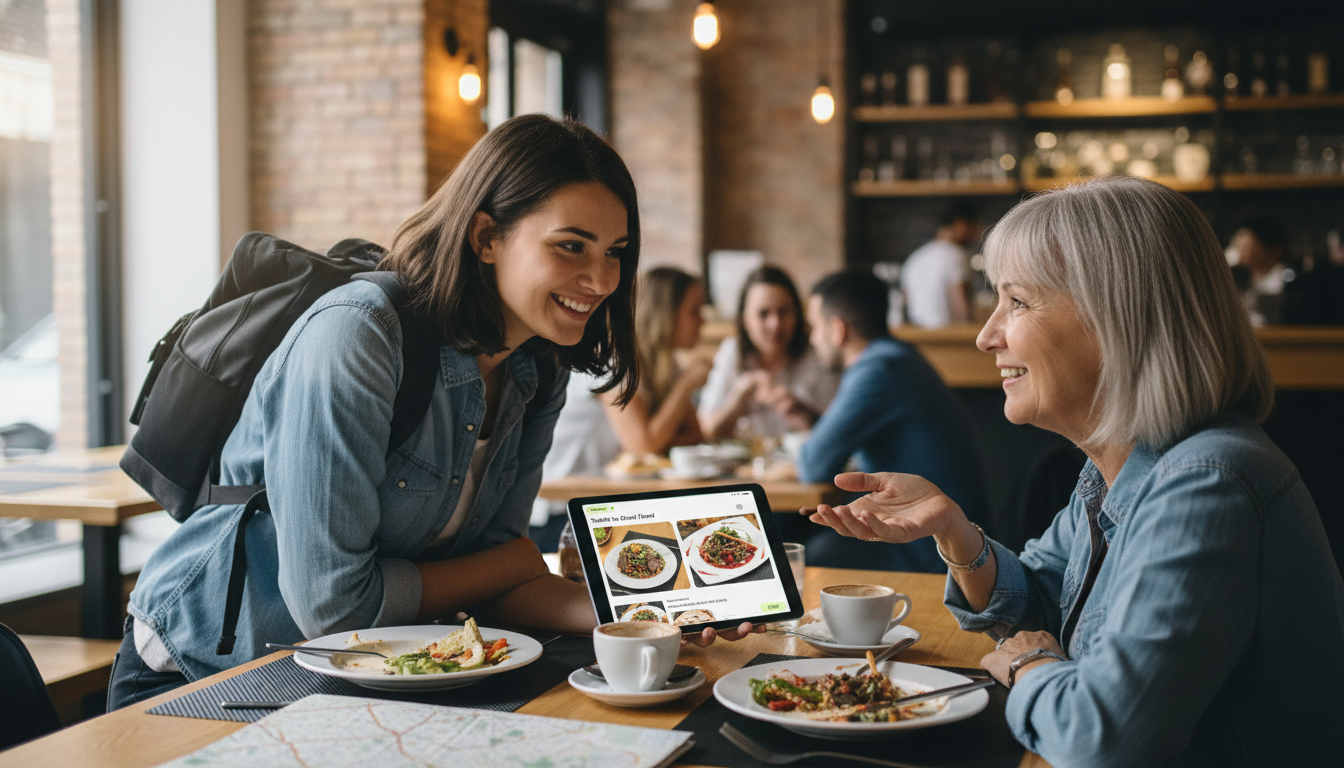
Great meals are often found through small, respectful conversations—asking the right person, using the right tone, and showing genuine curiosity. With a few well-chosen questions, “Where should I eat?” turns into an easy exchange that leads to memorable neighborhood spots, regional specialties, and the confidence to order well once you arrive.
The best recommendations usually come from people who actually eat nearby. Look for baristas, market vendors, rideshare drivers, hotel staff who live in the area, bookstore clerks, and even park walkers carrying takeout bags. Timing matters just as much: ask outside of rush hours, after you’ve already paid, or when someone isn’t actively handling a line.
Give quick context so suggestions fit your day: the neighborhood you’re in, your budget range, and the kind of meal you want (fast bite vs. sit-down). And instead of putting someone on the spot with “the best restaurant in the city,” use a lower-pressure framing like “one place you’d take a friend.”
| Situation | What to say | Why it works |
|---|---|---|
| Coffee shop | “If a friend visited for one meal nearby, where would you take them?” | Signals trust and keeps the question simple. |
| Street market | “What’s the most popular snack here—something locals actually buy?” | Invites a concrete, local-focused answer. |
| Hotel desk | “Any casual places you’d go on your day off that aren’t touristy?” | Encourages personal picks without pressure. |
| On a walk | “Is there a place around here known for one dish?” | Gets you a signature item, not a generic list. |
| Diet needs | “Do you know a spot that’s great with gluten-free or vegetarian options?” | Sets constraints early so suggestions fit. |
If you want a repeatable approach, use a small “recipe” for asking that doesn’t feel rehearsed:
Not all tips are equally actionable. A great recommendation comes with a plan: what to order, when to go, and how to find it.
For extra peace of mind while eating on the go, keep basic travel food safety in mind, like choosing busy vendors with high turnover and being cautious with untreated water. The CDC’s guidance is a solid reference: CDC: Food Safety While Traveling.
A friendly tone travels well. Softening phrases help you sound respectful and make it easier for someone to say “I’m not sure.” Try openers like “Would you happen to know…,” “Could you recommend…,” or “If you don’t mind….”
For travelers who want to be mindful guests, the UNWTO Global Code of Ethics for Tourism is a helpful reminder that small choices—like asking politely and respecting local routines—support the places you’re visiting.
Once you reach the recommended spot, convert the tip into an easy order. One of the simplest moves is repeating what you heard, in a way that invites confirmation:
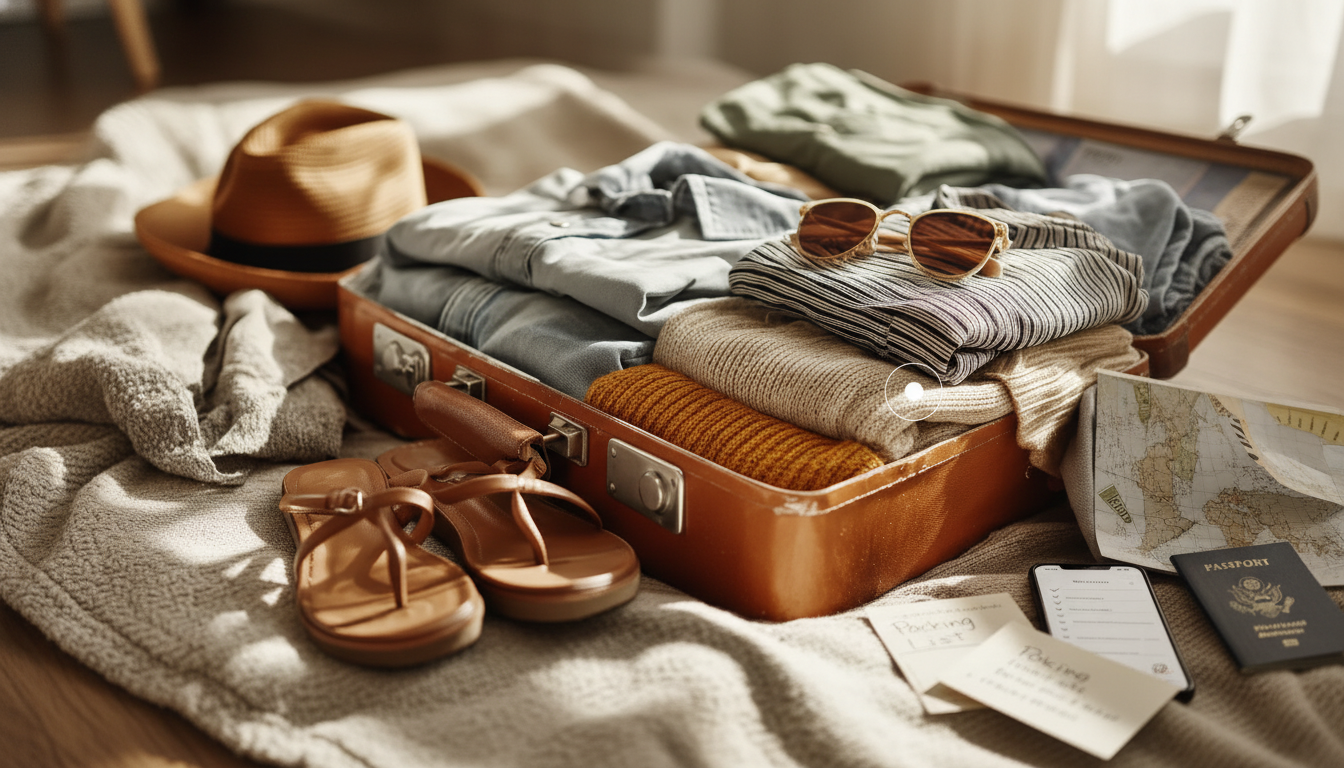
If you’re planning a bigger trip, it also helps to have a simple pre-departure checklist—documents, emergency contacts, and basics—so food plans don’t get derailed. A reliable reference: U.S. Department of State: Traveler’s Checklist.
Use a personal framing like “Where would you take a friend?” and ask for one dish to order. Add your budget and neighborhood so the suggestion fits your time and style.
State the restriction briefly and positively: “I’m vegetarian—any places you like with good options?” Then ask for a specific dish that works so you’re not guessing when you order.
Ask for a backup spot nearby or the best time to return, and check whether takeaway is faster. If reservations are common, confirm whether you can book for later.




Leave a comment