Peace of Mind Anywhere: A Practical System for Feeling Safe in a Foreign Country
Feeling safe abroad is less about luck and more about having a repeatable system: prepare before departure, set up smart defaults on day one, and follow simple habits that reduce risk without shrinking the experience. The goal isn’t to travel scared—it’s to travel ready, so your attention can stay on the trip instead of on “what if” scenarios.
Start With a Simple Safety Baseline (Before Booking and Before Packing)
A good safety plan begins before you buy a ticket or toss anything into a suitcase. Small decisions early on—where you stay, how you pay, what backups you bring—reduce the odds of a stressful cascade later.
- Check official advisories and common scams. Review the latest updates from the U.S. Department of State — Travel Advisories and compare notes with the UK Foreign, Commonwealth & Development Office — Foreign Travel Advice. Then search for destination-specific scams and neighborhood cautions.
- Confirm entry rules, local laws, and cultural norms. Laws around medications, alcohol, photography, vaping, or public behavior can surprise visitors. When health planning matters, check the World Health Organization — International Travel and Health for general guidance.
- Choose lodging with security basics. Prioritize strong reviews for location and practical features like controlled access, a well-lit entry, and a staffed reception.
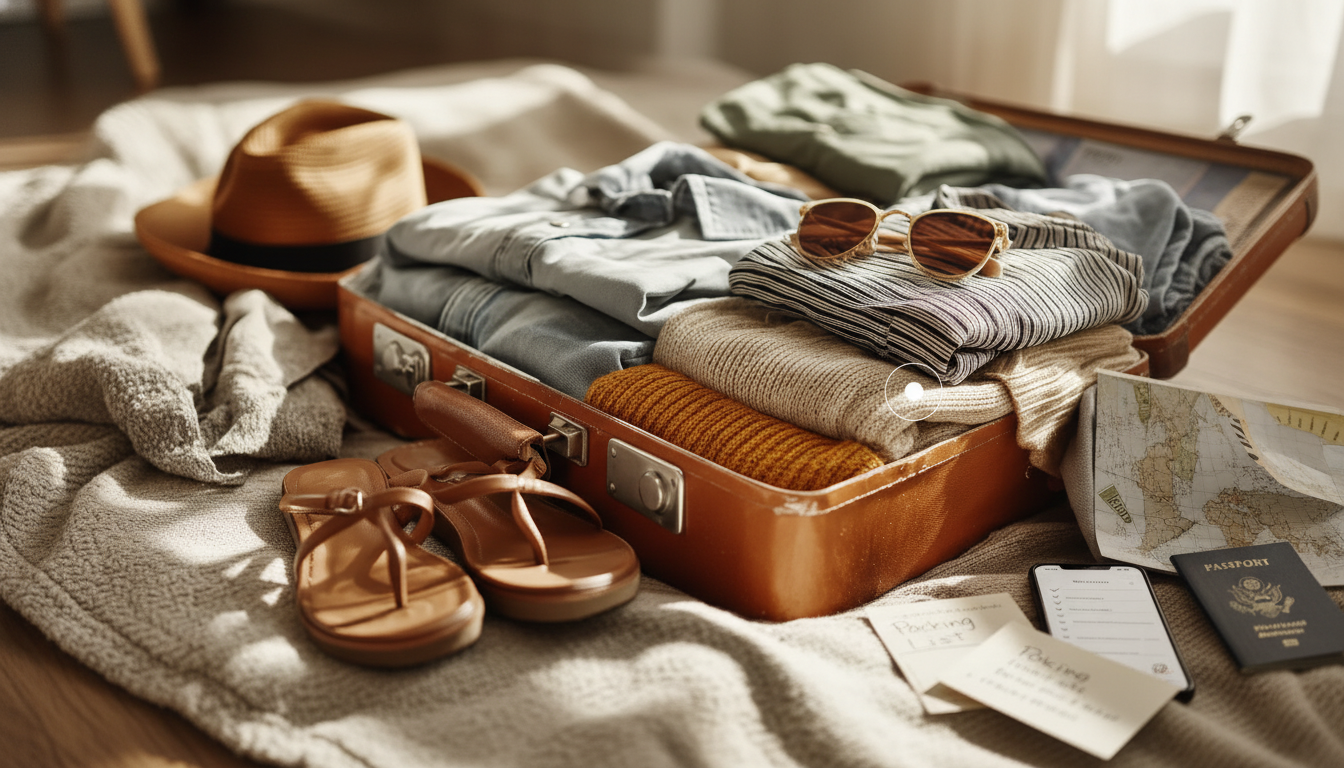
- Pack redundancy for critical items. Bring two payment methods, a backup charging plan (wall adapter + power bank), and copies of essential documents.
- Make a “what would ruin the trip” list. Pick three scenarios—lost phone, lost passport, medical issue—and add one prevention step for each (like cloud backups, photocopies, and insurance details saved offline).
The Day-One Setup That Reduces Stress for the Rest of the Trip
Your first 10–20 minutes in a new place can set the tone for the entire stay. Focus on offline access, quick orientation, and a few “anchors” that make it easier to respond calmly if something feels off.
- Save offline essentials. Download an offline map around your lodging, screenshot the address in the local language, and note key transit instructions.
- Store emergency contacts. Add local emergency numbers plus your embassy/consulate details to your phone—and write them on a small card as a backup.
- Set a check-in routine. A simple daily message to a trusted person reduces anxiety and creates accountability.
- Identify two safe anchors. Choose nearby staffed locations such as a hotel lobby, major transit hub, 24/7 convenience store, or well-known café.
- Do a daylight walking loop. Find the closest main road, the best-lit routes, and an alternate way home if a street feels wrong.
Quick Safety Setup Checklist (10–20 Minutes)
| Task |
How to do it fast |
Why it helps |
| Save lodging address offline |
Screenshot booking + copy/paste into Notes in local language |
Prevents confusion if data fails or language barriers arise |
| Offline map around lodging |
Download area in Google/Apple Maps |
Reduces wandering and hesitation in unfamiliar streets |
| Emergency numbers + embassy/consulate |
Add to contacts + write on a card |
Speeds response during high-stress moments |
| Two “safe anchors” nearby |
Mark on map (hotel, transit hub, staffed store) |
Provides immediate options if feeling followed or lost |
| Primary + backup payment method |
Separate storage (wallet vs hidden pouch) |
Protects ability to move, eat, and get transport if theft occurs |
A Low-Friction Routine for Moving Through Unfamiliar Areas
The safest travelers often look relaxed—not because they’re careless, but because their habits are simple and consistent.
- Head up, hands free. Keep the phone away while walking. If you need directions, step into a shop or stand near a wall where you can scan your surroundings.
- Pick main streets over shortcuts. Landmarks and well-traveled routes usually beat “fastest path,” especially after dark.
- Move with calm purpose. A steady pace and fewer abrupt stops can reduce unwanted attention.
- Limit visible valuables. Keep one card and a small amount of cash accessible; keep the rest separate.
- Use rideshares and taxis deliberately. Confirm the license plate and driver details, and sit in the rear seat when alone.
Staying Secure With Money, Documents, and Devices
Most travel disruption isn’t dramatic—it’s practical: a dead phone, a missing wallet, a compromised account. Layered protection keeps one mistake from becoming a trip-ender.
Reading Situations Without Becoming Paranoid
What to Do If Something Feels Wrong (A Practical Escalation Ladder)
Reducing Anxiety While Traveling: Tools That Support Clear Decisions
If you prefer structured, step-by-step guidance you can follow across destinations, consider Your Ultimate System to Maintain Peace of Mind Anywhere – How to Feel Safe in a Foreign Country Tips Bundle. For travelers who want additional tools to unwind and recover between busy days, Yoga Techniques for Full Relaxation and Recovery: 4-in-1 Digital Download Bundle can support a steadier baseline so decisions feel clearer.
Putting It Together: A Repeatable “Peace of Mind Anywhere” System
FAQ
What are the most important things to do on the first day in a new country to feel safer?
Save your lodging address and a neighborhood map offline, store emergency numbers (plus embassy/consulate details), identify two nearby “safe anchors,” and take a quick daylight orientation walk so you know the simplest routes back.
How can valuables be carried without feeling overly cautious?
Use a layered setup: carry only what you need in a small daily wallet, keep a backup card/cash stored separately, and secure passports and extra cards in your lodging unless you’re required to carry them.
What should be done if someone seems to be following you?
Create distance and move into a staffed, well-lit place. Avoid isolated routes, ask staff/security for help, and use licensed transport from a safe pickup point; contact local authorities if you feel threatened.
Recommended for you





Leave a comment