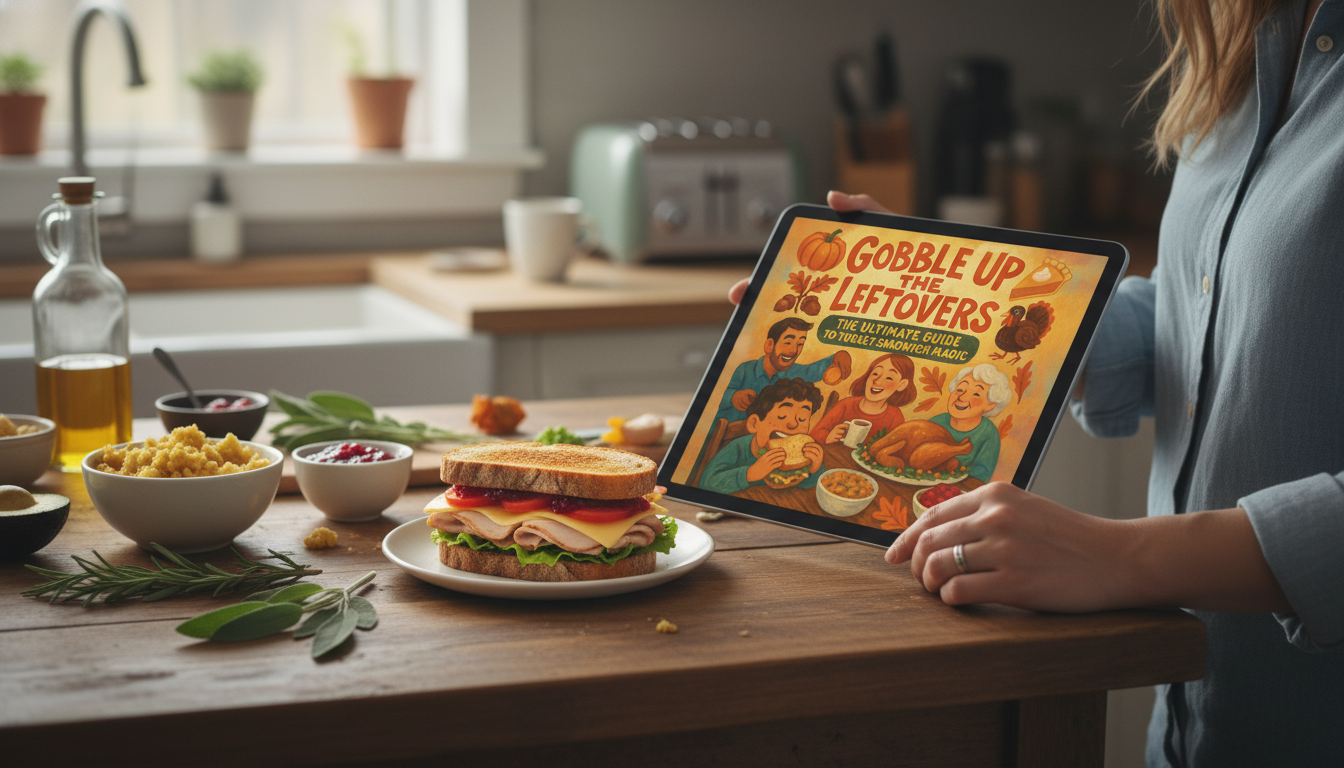
Leftover turkey can turn into sandwiches that feel planned, not patched together. With a few smart techniques—better reheating, balanced textures, and bold spreads—every bite can be juicy, crisp, and packed with flavor without wasting a single slice.
Great sandwiches start with turkey that’s handled well from the moment the meal ends. First, chill turkey promptly and store it in shallow containers so it cools quickly and evenly. For fridge storage, stick to a short window—use refrigerated leftovers within a few days, and freeze portions when a quick turnaround isn’t realistic. For official storage guidance, check the USDA FSIS leftovers and food safety page or the USDA FoodKeeper App.
When it’s sandwich time, slice turkey across the grain for tenderness. If you have a mix of light and dark meat, separate them—breast loves moisture and punchy spreads, while darker meat handles bolder, smokier add-ins without getting lost. To “bring turkey back to life,” add moisture before warming: a splash of broth or gravy helps prevent dryness. Finally, avoid repeated warming and cooling cycles by portioning turkey for single-sandwich builds so you only heat what you’ll eat.
A turkey sandwich becomes memorable when each layer has a job. Start with the right bread: soft options (brioche, potato rolls) lean cozy and forgiving; sturdy slices (sourdough, ciabatta) are better for saucy builds; rye adds a tangy edge that plays well with mustard and Swiss.
Next, add a moisture layer to both sides of the bread—mayo, aioli, butter, cream cheese, or pesto helps protect the crumb and keeps the sandwich from tasting dry. Build contrast on purpose: aim for one creamy element (spread or cheese), one crunchy element (pickles, onions, lettuce, kettle chips), and one bright element (citrus, vinegar, cranberry). If you’re mixing hot and cold ingredients, use a barrier (lettuce, cheese, or even a thin spread) to keep textures crisp instead of steamy.
Right before stacking, season turkey lightly—salt, pepper, and a pinch of smoked paprika or poultry seasoning wakes up flavor without making the sandwich salty.
Once the structure is solid, choosing a “flavor path” keeps leftover turkey from feeling repetitive. For Thanksgiving diner-style comfort, go hot: turkey + stuffing + cranberry, served with a gravy dip like a classic hot sandwich. If you want something brighter, try a cranberry crunch build with sharp cheddar, arugula, and toasted bread. For a fresh herb-forward vibe, pesto or chimichurri plus tomato and mozzarella turns turkey into something closer to a café panini. And when you want heat, chipotle mayo, pepper jack, and pickled jalapeños add instant personality. Prefer Mediterranean flavors? Hummus, cucumber, feta, and olive tapenade work beautifully in pita or flatbread.
| Style | Bread | Spread | Crunch/Acid | Finisher |
|---|---|---|---|---|
| Thanksgiving Classic | Sourdough | Gravy + mayo mix | Cranberry relish | Stuffing layer |
| Cranberry Crunch | Multigrain | Dijon mayo | Pickles or arugula | Sharp cheddar |
| Smoky Heat | Ciabatta | Chipotle mayo | Pickled jalapeños | Pepper jack |
| Green & Herby | Baguette | Pesto | Tomato + arugula | Balsamic glaze |
| Deli-Style | Rye | Mustard | Sauerkraut or slaw | Swiss cheese |
Hot turkey sandwiches are where leftovers really stop tasting like leftovers. For a melt, preheat your pan, then cover briefly to trap heat so the cheese melts fully without overcooking the turkey. For browning, brush the outside of the bread with butter or mayo—both work, but mayo tends to brown evenly with less risk of scorching.
If your fillings are wet (gravy, cranberry sauce, juicy tomatoes), toast the bread first or keep those elements tucked between “barriers” like cheese or greens. For an easy oven method, warm turkey with a little broth, toast bread separately, assemble, then bake briefly to set the sandwich. And for pressed sandwiches, keep layers thin and even; use cheese as “glue” to help everything hold together when pressed. If you’re adding stuffing, crisp it in a pan first so it doesn’t create a dense, soggy middle.
For a deep bench of variations, check out Gobble Up the Leftovers: The Ultimate Guide to Turkey Sandwich Magic (digital recipe guide). And if the post-meal vibe is as important as the meal itself, Creative Games and Challenges for Thanksgiving adds easy entertainment for family gatherings and leftovers weekends.
For general food safety basics—especially helpful during busy holiday weeks—the CDC food safety guide is a solid refresher.
Refrigerated leftover turkey is best used within a few days if it was chilled promptly and stored properly. For longer keeping, freeze portions as soon as possible and thaw safely before reheating.
Warm turkey gently with a splash of broth or gravy, ideally covered in a pan or in a low oven so steam keeps it moist. Pair it with a flavorful spread and a bright element (like pickles or cranberry) to keep the bite lively.
Use smart layering: spreads and cheese can act as barriers, and keep wet ingredients (tomato, gravy, cranberry sauce) separate until eating. Toasting the bread and placing greens between hot and cold layers helps preserve texture.






Leave a comment