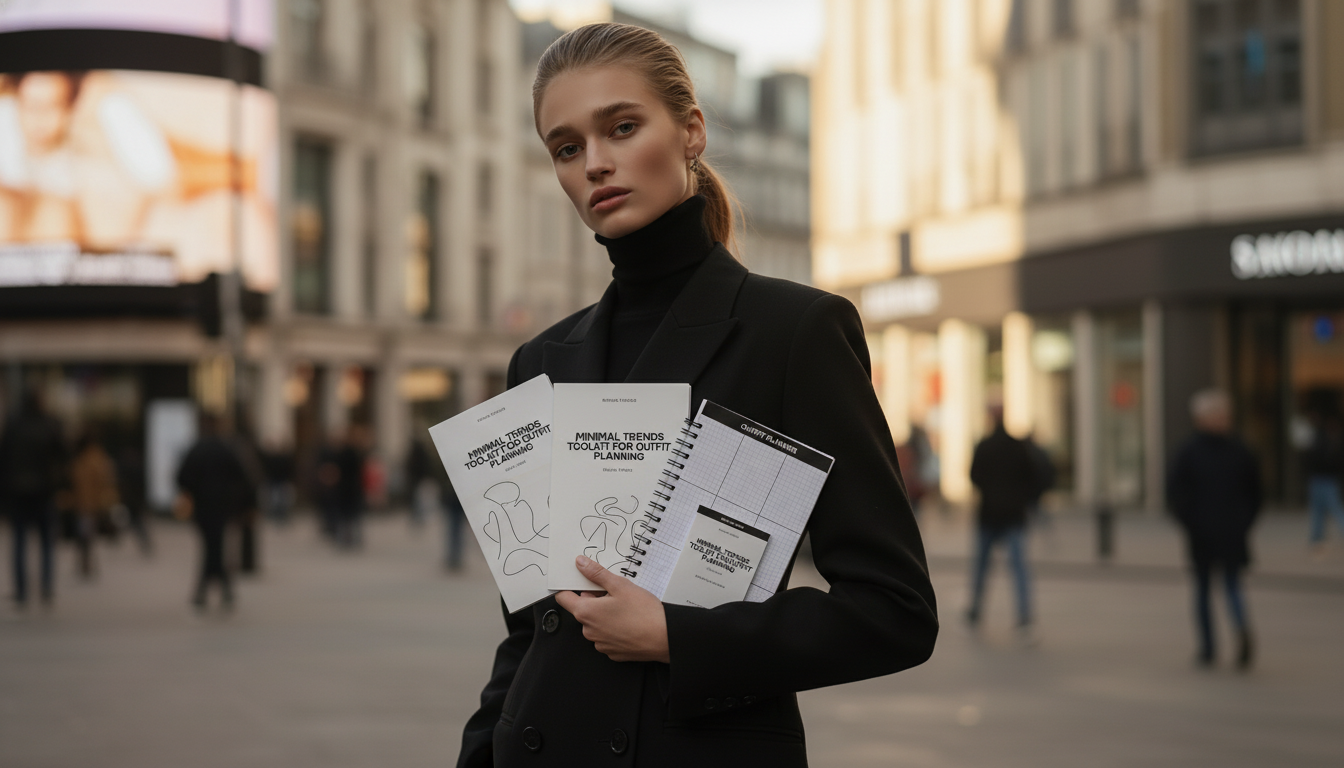
Outfit planning gets easier when a few reliable “rules” replace endless options. Instead of starting from scratch every morning, a simple system helps you reuse what works, refresh what feels dated, and build outfits that look intentional with fewer pieces. The Minimal Trends Toolkit for Outfit Planning is designed to turn scattered inspiration into repeatable outfits using minimal, trend-aware choices—supported by guides, eBooks, and checklists you can revisit whenever your wardrobe feels stuck.
It also helps reduce decision fatigue by narrowing choices into a clear sequence (anchors, color plan, formulas, finishing touches). That matters because too many options can make choosing harder, not easier—something psychologists often describe as the burden of choice (APA Dictionary of Psychology: Choice).
This bundle is built for short, practical sessions: pick a goal, follow the steps, and build outfits you can save and repeat. Instead of relying on constant shopping, the method focuses on outfit structure—then uses minimal trend updates (silhouettes, textures, one statement layer) to keep things current.
| Component | Primary purpose | Best time to use it |
|---|---|---|
| Guides | Build the foundation: fit, color, proportions, outfit formulas | When updating your wardrobe system or learning the method |
| eBooks | Turn ideas into outfits with examples and styling prompts | When you want fresh combinations without buying more |
| Checklists | Make planning fast and consistent | Weekly planning, seasonal edits, packing, or shopping |
Minimal doesn’t mean “plain.” It means the outfit has a clean structure, with one or two intentional details doing the heavy lifting—like a modern-length blazer, a slightly wider-leg pant, or a textured knit. If you’re also building a capsule wardrobe, the same principle applies: fewer items, more intentional coordination. (For background on the concept, see Encyclopaedia Britannica: Capsule Wardrobe.)
Tip: If you’re doing laundry and care as part of your weekly reset, it helps to follow garment care labels so favorites stay in rotation longer (FTC guidance on textile and apparel care labels).
| Formula | Why it works | Easy variations |
|---|---|---|
| Top + Layer + Bottom + Shoe | Reliable structure for most days | Swap layer (cardigan/blazer/denim jacket) and shoe type |
| Monochrome base + statement outerwear | Looks polished with minimal effort | Change outerwear texture (wool, leather, trench) |
| Dress + topper + boot/sneaker | One piece does most of the work | Add belt, switch bag style, change topper length |
| Relaxed bottom + fitted top + structured bag | Balanced proportions feel intentional | Rotate colors, add scarf or minimal jewelry |
It supports both. Start by using the outfit formulas and checklists to style what you already own, then use the same framework to spot gaps and make capsule-style purchases that create more combinations.
Once you choose 2–3 anchors and a simple color palette, it’s realistic to plan a full week in a short session. Results compound as you save your best combinations and repeat them with small swaps.
No—minimal styling can look modern and intentional when you use trends selectively. A current silhouette, an elevated texture, or one statement layer adds interest without requiring constant new purchases.




Leave a comment