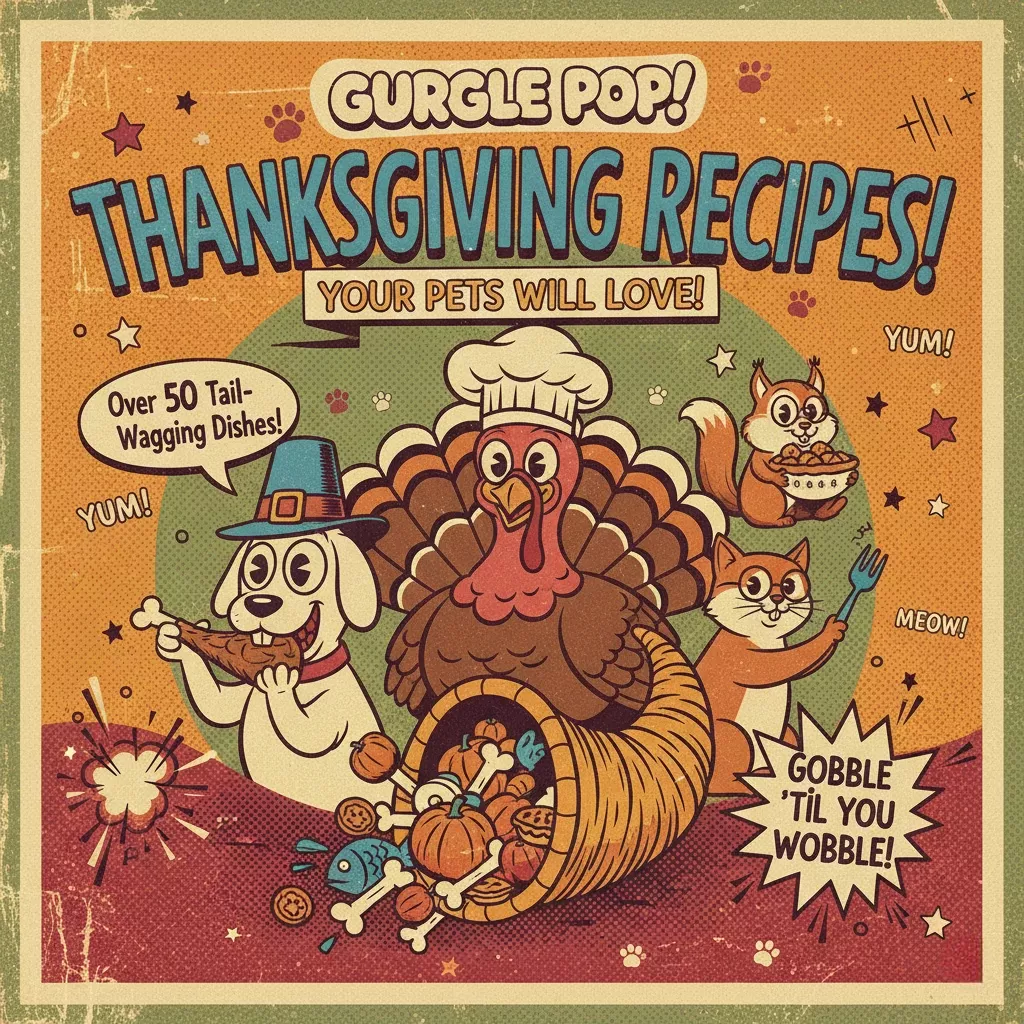
Thanksgiving can be pet-friendly without sharing risky table scraps. With a few simple swaps and pet-safe ingredients, dogs and cats can enjoy their own holiday bites—made in minutes, portioned for their size, and easier to plan when guests arrive.
The safest “holiday” treats for pets look a little plain compared to the people food—and that’s exactly the point. Focus on simple, single-ingredient foods or very short ingredient lists.
| Holiday Food | Safer Pet Option | Avoid Because |
|---|---|---|
| Turkey | Plain cooked turkey breast (no skin, no seasoning) | Skin/drippings are high-fat; seasonings may include onion/garlic |
| Mashed potatoes | Small bite of plain potato or sweet potato | Butter, milk/cream, garlic, and salt can cause GI upset |
| Stuffing | None; offer a pet treat made with simple ingredients instead | Often contains onion/garlic, herbs, sausage fat, and bread-heavy portions |
| Gravy | None (or a tiny splash of unsalted, onion-free broth for dogs only) | High salt and fat; may include onion/garlic |
| Green bean casserole | Plain steamed green beans | Cream soups and fried onions are problematic |
| Pumpkin pie | Plain canned pumpkin (100% pumpkin) in small amounts | Sugar, spices, dairy, and crust are not ideal |
| Cranberry sauce | Skip; offer a different treat | Sugar-heavy; some products include grapes/raisins |
For a deeper list of foods to avoid, the ASPCA Animal Poison Control guide is a reliable reference, and the AKC Thanksgiving safety tips are helpful for preventing common holiday mishaps.
Dogs can enjoy a “holiday sampler” as long as it stays lean, low-salt, and portioned like a treat—not a second dinner. Keep the flavors familiar and the ingredients simple.
If you want a ready-to-follow set of pet-safe combinations (especially when you’re juggling guest timing), Thanksgiving Recipes Your Pets Will Love (digital download) is designed specifically around holiday flavors that stay simple and portion-friendly.
Cats do best with meat-forward options; keep treats primarily protein-based and minimally processed. Even small amounts of rich, buttery, or heavily seasoned foods can cause fast stomach upset in many cats.
The best holiday memories don’t include a late-night emergency vet visit. A few prep habits reduce the biggest risks—fat, seasoning, bones, and “mystery bites” from guests.
Also keep xylitol (common in some sugar-free desserts and gums) far away from pets; the FDA xylitol warning is worth sharing with anyone bringing sweets.
For a fun way to keep humans engaged (and less likely to “sneak” table scraps to pets), add a few structured activities from Creative Games and Challenges for Thanksgiving—it helps the gathering feel festive while you keep pet boundaries consistent.
If you like the idea of pet-safe holiday flavors but don’t want to improvise while cooking for a crowd, a simple guide can keep things organized. Thanksgiving Recipes Your Pets Will Love is a digital resource built around pet-friendly ingredients and portionable combinations for dogs and cats.
Yes, as long as it’s plain cooked turkey with no skin, bones, seasoning, onion/garlic, or fatty drippings. Keep portions small and treat it as an add-on, not a full meal replacement.
Plain 100% pumpkin (not pie filling) is commonly used in small amounts for both dogs and cats. Introduce it slowly and stop if you notice diarrhea, vomiting, or unusual gas.
Onions/garlic, cooked bones, fatty drippings or gravy, chocolate, raisins/grapes, xylitol-sweetened items, and alcohol are among the most serious concerns. When exposure is possible, contact your veterinarian promptly.




Leave a comment