
Skincare tools can elevate results when they’re chosen well and used with the right technique, pressure, and consistency. The difference between “glowy” and “grumpy” skin often comes down to friction, cleanliness, and overdoing it. Below is a practical framework that keeps tool use simple, repeatable, and barrier-friendly—covering facial massage, body sculpting, cleansing support, and the care steps that protect both your skin and your tools.
Tool mastery isn’t about collecting every device on social media. It’s about consistent technique: the right pressure, angle, glide, and hygiene—done often enough to matter but gently enough to tolerate.
A tight, well-maintained toolkit can cover nearly every common goal—without turning your bathroom into a device graveyard.
For a quick risk/benefit snapshot, use the table below as a “buy and use” filter.
| Tool category | Best for | How to use safely | Avoid if/when |
|---|---|---|---|
| Facial gua sha | De-puffing, relaxation, supporting product spread | Use light pressure, 10–30° angle, always with facial oil/serum for glide, keep strokes slow | Active flare-ups, broken skin, severe acne lesions, recent aggressive procedures |
| Body gua sha | Massage for tight areas, spreading body lotion/oil, supporting routine consistency | Use medium-light pressure, long strokes with plenty of slip, stop if bruising occurs | Varicose vein discomfort areas without medical guidance, bruising tendency, inflamed skin |
| Facial roller | Cooling, puffiness, calming feel | Keep clean, gentle pressure, short sessions; optional refrigeration | Irritated skin that worsens with rubbing |
| Cleansing brush/cloth | More thorough rinse-off, gentle exfoliation if tolerated | Minimal pressure, limited frequency, keep it clean and fully dry | Over-exfoliation, compromised barrier, eczema-prone patches |
| Spatula/applicator | Hygiene for jars, even mask application | Wash after each use, avoid double-dipping into jars | Sharing between people without sanitizing |
Most irritation is technique-related, not tool-related. Use this four-point check before you increase intensity.
If you’re new to gua sha, review benefits and risks from an evidence-based perspective before going harder: https://health.clevelandclinic.org/gua-sha/.
Tools can complement an anti-aging routine, but the biggest wins come from low-risk, high-consistency habits—especially sun protection. Mayo Clinic’s sunscreen guidance is a helpful standard: https://www.mayoclinic.org/healthy-lifestyle/adult-health/in-depth/sunscreen/art-20045110.
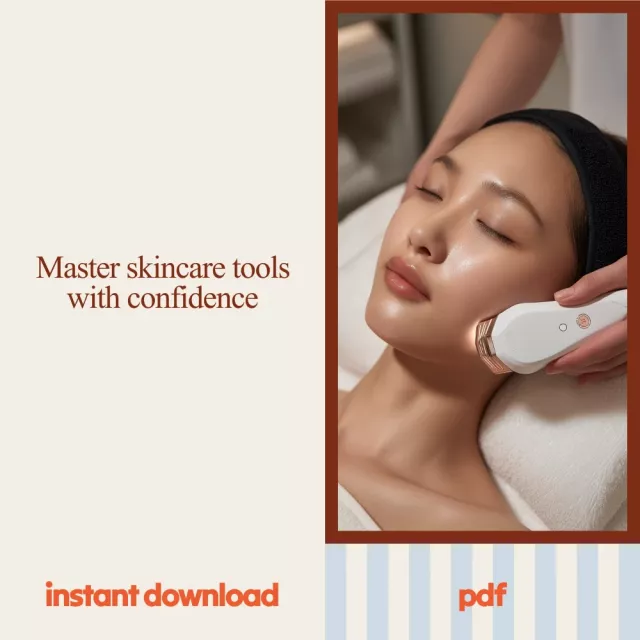
If you want a more standardized, step-by-step system for selecting and using tools, the Skincare Tools Mastery Bundle organizes the process into a practical set of guides and checklists.
Try 2–5 minutes most days (or 3–5x/week) with light pressure and plenty of slip. Results are typically subtle and often temporary (like de-puffing), with cumulative benefits tied to comfort and consistency.
Yes—most often from too much pressure, using tools on dry skin, poor cleaning, or over-exfoliating. Reduce intensity, shorten sessions, clean tools thoroughly, and pause if you notice stinging, persistent redness, or friction-related breakouts.
A facial gua sha or a gentle facial roller is a versatile, low-risk place to start, paired with basic cleaning and dry storage. Choose the simplest option you’ll use consistently, especially if your skin is sensitive.






Leave a comment