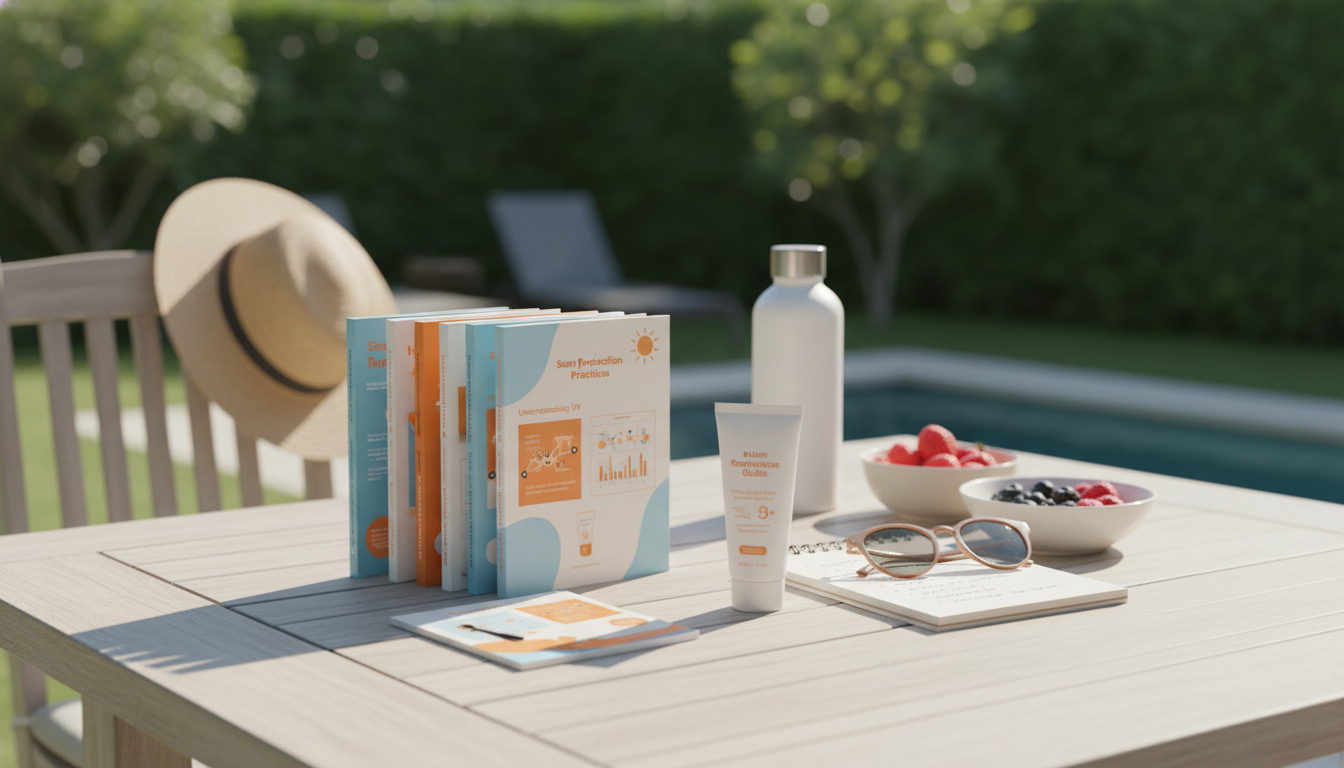
Sun protection works best when it’s a routine, not a last-minute scramble. The most reliable approach is a set of simple, repeatable habits—sunscreen basics, protective clothing, smarter timing, and consistent reapplication—so you’re covered for beach days, commutes, sports, or outdoor work. Below are practical, evidence-based ways to make sun safety feel automatic, plus an easy way to keep your “rules of thumb” in one place for quick reference.
“Smart” sun protection is less about finding one perfect product and more about stacking multiple defenses that work together. Dermatology and public health guidance consistently emphasizes a layered approach: use shade, cover up with clothing, apply broad-spectrum sunscreen, and protect your eyes with UV-blocking sunglasses. When one layer slips (like sweating off sunscreen), the others still reduce exposure.
It also means protecting skin on days that don’t feel sunny. UV rays can be strong even when it’s hazy, breezy, or cool—so the default should be protection anytime you’ll be outdoors for more than a few minutes, especially during midday hours.
Planning ahead is the difference between “I meant to” and “I did.” Keep sunscreen where you’ll actually use it: by the entryway, in the car, in a gym bag, and near sports gear. Set a phone reminder for reapplication on long outings. Finally, match protection to the activity—water, sweat, altitude, and reflective surfaces like sand, snow, and even concrete can intensify exposure.
Sunscreen is most effective when the basics are done well. For everyday outdoor time, broad-spectrum SPF 30+ is a solid baseline; for extended exposure (long games, beach days, hiking), many people prefer a higher SPF—yet the bigger wins still come from applying enough and reapplying on schedule.
| Situation | What to prioritize | Reapply timing |
|---|---|---|
| Daily errands (short exposure) | Broad-spectrum SPF 30+, easy-to-use texture for consistency | Every 2 hours if staying outdoors |
| Beach/pool day | Water-resistant broad-spectrum SPF 30+; lip SPF | Every 2 hours + after swimming/toweling |
| Outdoor sports/sweat | Water/sweat-resistant; consider stick for face; avoid eye sting formulas | Every 2 hours + after heavy sweating |
| High altitude/snow | Higher SPF, broad-spectrum; protect lips and under-chin reflection | Every 2 hours; more often with wind/snow glare |
| Sensitive skin | Fragrance-free; consider mineral options; patch test new products | Follow standard schedule; reapply after contact with water/sweat |
For more detailed guidance on choosing and using sunscreen, see the American Academy of Dermatology Association’s sunscreen FAQs.
Clothing is one of the most “set it and forget it” forms of sun protection. If you’re outside for longer stretches, higher coverage matters: long sleeves, longer shorts or pants, and higher necklines can reduce the amount of skin that needs sunscreen.
A fast way to decide how serious you need to be on any given day is the UV Index. Higher numbers mean faster skin damage and less “wiggle room” for skipping protection. You can check local forecasts or the U.S. EPA UV Index scale to understand what the numbers mean.
More everyday sun-safety basics are also summarized by the CDC’s sun safety guidance.
If you prefer having step-by-step guidance already organized, the Smart Sun Protection Practices Bundle | Sun Protection Tips 5-in-1 Digital Guides is designed as a ready-to-use set of digital references you can check before heading out.
To support habit-building beyond sun safety—especially if you’re creating routines for the whole household—pairing systems can help. The Positive Attitude Starter Pack | 3-in-1 Digital Bundle – Bright Side Living can complement routine changes by focusing on consistency and daily follow-through.
Reapply at least every 2 hours while outdoors, and immediately after swimming, sweating heavily, or towel-drying. “Water-resistant” sunscreen still needs reapplication on the label’s schedule—it’s not an all-day guarantee.
No—SPF has diminishing returns, so higher SPF can help but it doesn’t double protection. Broad-spectrum coverage, using enough product, and reapplying on time usually matter more than chasing the highest number.
They reduce exposure significantly, but they don’t replace sunscreen on exposed skin. Using both together—plus shade when possible—provides more dependable protection than relying on any single step.






Leave a comment