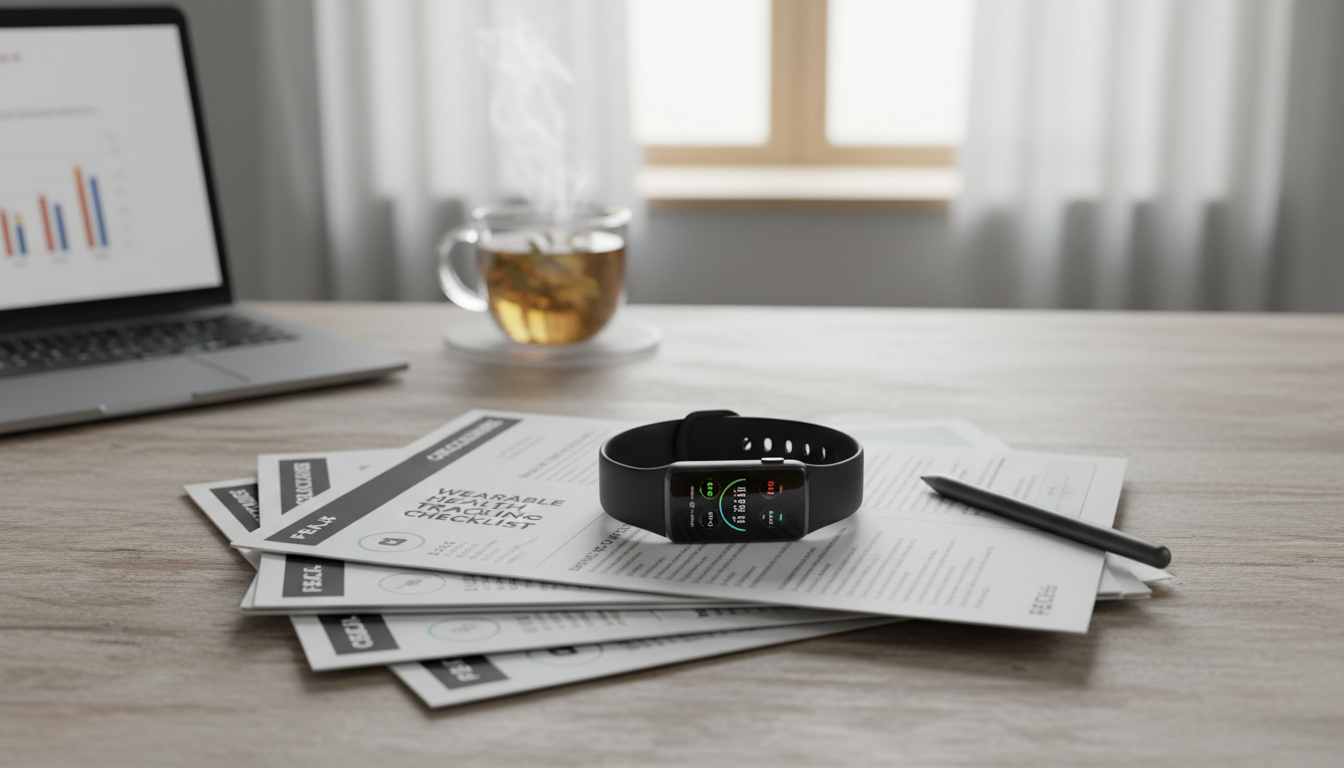
Wearables can turn daily movement, sleep, and recovery into clear signals—if the device matches the goal. This guide organizes the most important health-tracking features into a simple checklist, explains what each metric can (and can’t) tell, and helps narrow down the right wearable style for training, stress management, and everyday wellness. A downloadable checklist is included for quick comparisons while shopping.
A simple way to avoid overbuying: choose one “daily driver” metric (steps/activity minutes, sleep schedule, or workout zones) and one “trend” metric (resting heart rate or HRV). Everything else is optional unless it supports a specific health or training need.
For workout intensity, heart-rate zones are one of the most practical features to shop for. The American Heart Association’s guidance on target heart rates and exercise intensity is a helpful baseline for interpreting zone alerts and post-workout summaries.
If sleep and recovery are the priority, favor what you’ll actually wear overnight. If run training or cycling is the priority, prioritize stable heart rate during motion and reliable GPS over extra “wellness” extras.
| Goal | Top features to prioritize | Helpful add-ons | Common pitfalls |
|---|---|---|---|
| Better sleep consistency | Comfortable overnight wear, reliable sleep duration/timing, bedtime reminders | Silent alarm, temperature trend, smart wake features | Over-focusing on sleep stages; wearing too loose causes gaps |
| Cardio fitness and endurance | Accurate HR during movement, GPS, zone alerts, workout summaries | VO2 max trend, recovery time estimate | GPS drain reducing battery; HR spikes from poor fit |
| Stress and recovery balance | HRV trends, resting HR, guided breathing, readiness scoring | Meditation content, journal tags | Interpreting single-day HRV as a diagnosis |
| Weight training and strength | Workout logging, set/rep tracking, HR zones, durable band | Gym timers, app integrations | Expecting perfect rep detection without manual edits |
| Everyday activity habits | Comfort, long battery, step/activity goals, reminders to move | Community challenges | Chasing exact step counts rather than week-to-week trends |
For a practical view of what consumer health data can and can’t do, the FDA’s consumer updates are a useful reference point: FDA Consumer Updates.
When sleep is the priority, focus first on schedule and total sleep. The NIH overview of sleep basics can help frame what to improve before getting lost in nightly charts.
If shopping across multiple brands (or comparing models within the same brand), a quick-scan worksheet saves time and prevents “feature drift.” The Best Wearables for Health Tracking Checklist (digital download) is designed to help mark must-haves, deal-breakers, subscription requirements, and comfort notes in one place.
For shoppers building a sleep-first routine, pairing tracking with a calming wind-down plan can make the data more actionable. The Guided Imagery Toolkit for Sleep and Relaxation adds a structured option for decompressing at night—especially helpful if stress is the main reason sleep metrics look “off.”
The best option depends on the main goal (workouts, sleep, stress/recovery, or general habits) and what you’ll comfortably wear most days and overnight. Match the sensors you’ll use (HR/HRV/sleep/GPS) with your phone compatibility and whether you’re okay with subscriptions.
Total sleep time and sleep schedule are generally more reliable than stage breakdowns. Treat stages as estimates and focus on consistent bedtime/wake time, how often you wake up, and recovery trends over weeks.
No—consumer wearables support awareness and habit changes, but they don’t diagnose conditions. If symptoms are concerning or monitoring is medically necessary, a clinician should guide the next steps.






Leave a comment