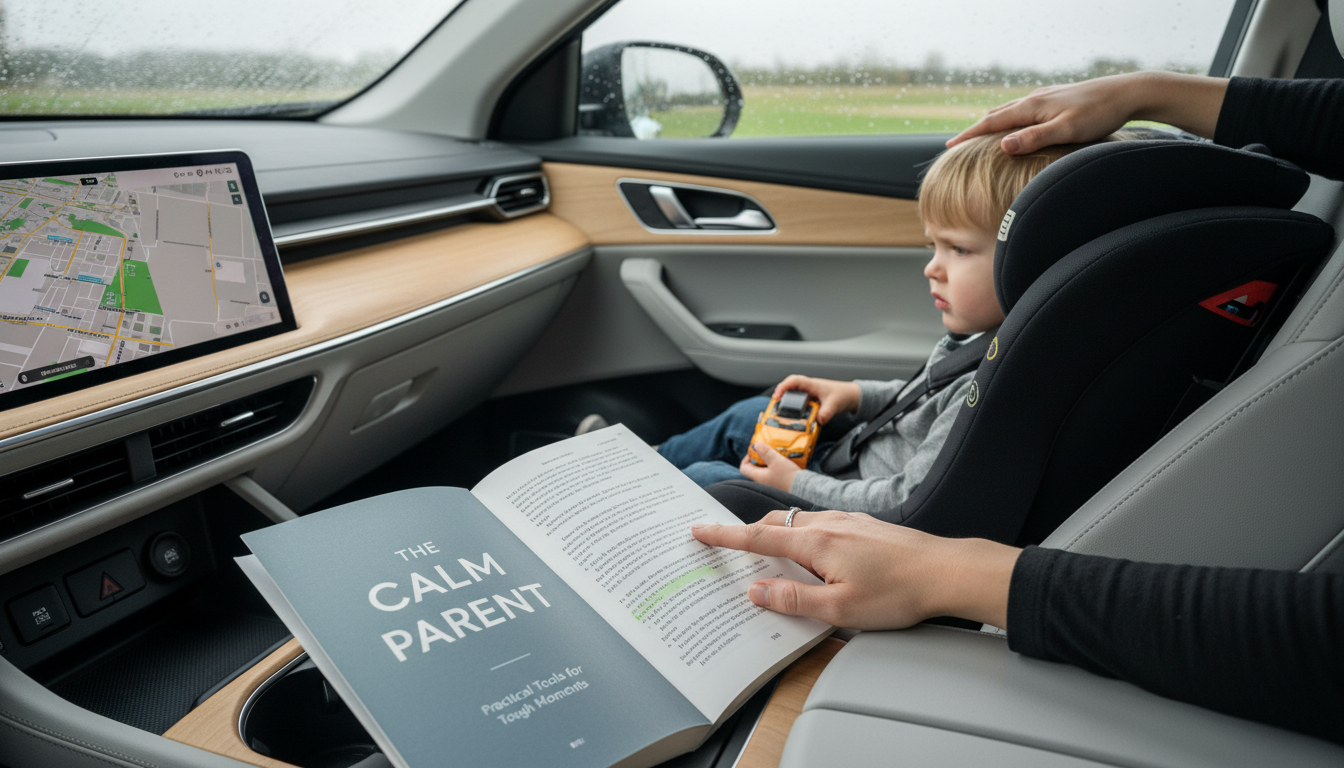
If you’re searching for a “How to be a Calm Parent” book, it usually means one thing: you want practical steps you can use in the middle of real-life moments—tantrums, bedtime battles, school stress, or worries that seem to come out of nowhere. The most helpful calm-parenting books don’t just offer inspiration; they give repeatable tools for regulating your own nervous system, responding instead of reacting, and coaching your child through big feelings.
A strong calm-parenting read typically includes three essentials: quick reset techniques for parents, language scripts for common scenarios, and a plan for what to do when anxiety or meltdowns keep returning. Look for guidance that helps you notice triggers (yours and your child’s), set boundaries without escalating, and build routines that make calm easier to access.
Instead of trying to “finish” the book like a novel, treat it like a toolkit. Pick one strategy to practice for a week—such as pausing before responding, validating feelings first, or using a consistent bedtime wind-down. Keep a short note of what improved and what didn’t. Progress often shows up as shorter recovery time after blow-ups, fewer power struggles, and a child who can name feelings sooner.
When a child’s worry is frequent—clinginess, reassurance-seeking, stomachaches, sleep resistance, or fear of separation—calm parenting works best alongside a clear system for anxiety. For a deeper, step-by-step guide focused on childhood anxiety support, visit this Calm Parent System 3-in-1 Bundle guide for structured tools that can complement what you’re learning from a calm-parenting book.
Try a 10-second pause, soften your voice, and take 3 slow breaths with a longer exhale. Then reflect what you see (“You’re really upset”) before giving a limit or next step. This sequence lowers intensity faster than jumping straight to problem-solving.






Leave a comment