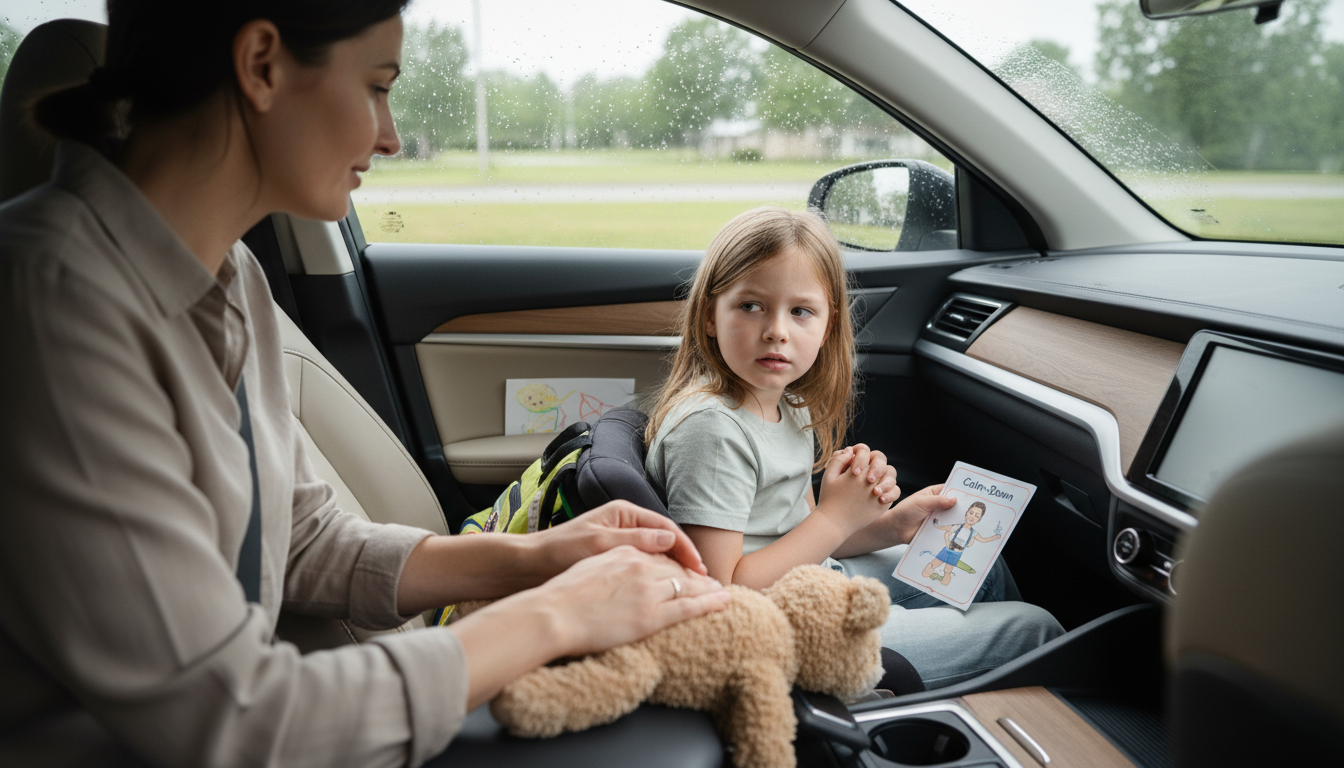
A calm parenting approach is a steady, predictable way of responding to your child’s anxious moments without escalating fear, rushing to fix everything, or dismissing feelings. It blends emotional safety (“I’m here, you’re not alone”) with gentle structure (clear routines, simple expectations, and small steps forward). The goal isn’t to erase anxiety on the spot—it’s to help your child feel supported while they learn coping skills and confidence over time.
When anxiety shows up—worrying, avoidance, tears, angry outbursts—calm parenting starts with regulation. You slow down your voice, soften your face, and keep your words short. You validate the feeling without validating the fear: “That sounds really scary” instead of “You’re right, it is dangerous.” Then you guide: “Let’s take two slow breaths. What’s our next small step?”
1) Build a predictable “calm base.” Keep mornings, homework, and bedtime as consistent as possible. Anxiety often spikes with uncertainty, so routines reduce the number of decisions your child has to battle through.
2) Create a repeatable calm script. Pick 2–3 sentences you’ll use every time, such as: “I can see you’re worried. You’re safe. We can handle this together.” Repetition helps your child borrow your calm when they can’t access their own.
3) Coach coping skills when your child is already calm. Practice box breathing, a simple “name 5 things you see” grounding exercise, or a short body scan during neutral moments—then use the same tool during anxious moments.
4) Reduce reassurance loops. Answer once with warmth, then redirect to a plan: “I already answered that, and you can handle it. Let’s check your worry plan card.” This keeps you supportive without feeding compulsive checking.
5) Use tiny exposure steps. If your child avoids a situation (school drop-off, sleep, being alone), break it into small, winnable steps and celebrate effort, not just results.
For a more detailed, at-home framework and practical tools, visit the complete guide here: Calm Parent System 3-in-1 Bundle for Childhood Anxiety.
Limit repeated reassurance, avoid rescuing from every feared situation, and focus on coaching coping skills plus small exposure steps. Praise effort and bravery, and stick to consistent routines and responses.







Leave a comment